Understanding Event Catering Before Making Any Decision
When planning a successful event, one of the most critical decisions you will make is selecting the right event catering approach. Food is not just something served to guests. It becomes a core part of the experience that people remember, talk about, and judge the entire event by.
Before choosing any catering option, you need to understand what professional event catering actually includes. It is not limited to dishes or menus. It combines food quality, service style, presentation, timing, and guest satisfaction into one complete system.
Why Catering Defines Your Event Experience
Guests may forget decorations or minor details, but they rarely forget food. A well-executed catering plan creates a lasting impression, while poor execution can overshadow everything else.
This is why hosting your event at a premium venue like Fabrizio Banquet Hall makes a major difference. The environment is designed to support high-end experiences where catering, ambiance, and service work together seamlessly.
At such venues, catering is not just functional. It becomes part of the luxury atmosphere that elevates the entire event.
Choosing the Right Catering Style
Every event has a different purpose, and your catering style should reflect that. Common options include:
- Buffet service for variety and flexibility
- Plated meals for formal and elegant gatherings
- Food stations for interactive experiences
- Cocktail-style service for social events
The key is not to follow trends blindly but to match the catering style with your event type and guest expectations.
Food Quality and Presentation Standards
High-quality event catering focuses on more than taste. Presentation plays a huge role in perception. Guests often judge food before even taking a bite.
A strong catering plan includes:
- Fresh and premium ingredients
- Visually appealing plating
- Balanced menu combinations
- Consistent quality across servings
In competitive markets like Las Vegas, expectations are naturally higher. Guests are used to premium experiences, so your catering should reflect that standard without overcomplicating the menu.
Planning for Guest Preferences
Modern events require inclusivity. A well-planned event catering strategy considers different dietary needs without making it obvious or complicated.
This includes:
- Vegetarian and vegan options
- Gluten-free selections
- Cultural or dietary accommodations
When guests feel considered, the overall experience improves automatically.
Timing and Event Flow
One of the most overlooked elements in catering is timing. Even great food can lose its impact if served too early or too late.
Professional catering aligns with:
- Event schedule
- Speeches and entertainment
- Guest arrival flow
At organized venues like Fabrizio Banquet Hall, this coordination becomes smoother because the space is designed for structured events.
Service Team Matters More Than You Think
Catering is not just about chefs. Service staff play a major role in shaping guest experience.
Strong event catering includes:
- Professional and polite servers
- Efficient coordination
- Clean presentation
- Quick response to guest needs
Good service creates comfort, while poor service creates frustration regardless of food quality.
Budget Planning with Smart Decisions
Budget does not mean choosing the cheapest option. It means choosing the smartest value.
Instead of focusing only on cost, consider:
- What is included in the package
- Service quality
- Overall experience
Investing in quality catering often leads to better guest satisfaction and stronger event impact.
How to Match Catering Choices with Your Event Type for Maximum Impact
Once you understand the basics, the real difference comes from how well your catering aligns with the type of event you are hosting. This is where most people make mistakes. They choose food based on personal preference instead of thinking about the overall experience they want to create.
Every event carries a different energy. A wedding, for example, is emotional and elegant. A corporate function is structured and professional. A birthday celebration is relaxed and expressive. Your food service should reflect that tone instead of working against it.
For formal gatherings, structured dining works best. A plated setup allows everything to feel organized, refined, and premium. Guests remain seated, service flows smoothly, and the event maintains a polished atmosphere. This is especially effective in venues like Fabrizio Banquet Hall, where the environment naturally supports upscale presentations and coordinated service.
On the other hand, if your event is more social and interactive, a buffet or station-style arrangement creates a completely different dynamic. Guests move around, engage more freely, and the environment becomes more lively. This approach works well for celebrations where connection and conversation are more important than formality.
Another key factor is guest behavior. Think about how your attendees will interact. If your audience includes professionals attending a networking event, they will prefer lighter, easy-to-eat options that do not interrupt conversations. Heavy meals in such settings can actually reduce engagement because people become more focused on eating rather than interacting.
In contrast, weddings or milestone celebrations benefit from a more complete dining experience. Guests expect multiple courses, thoughtful presentation, and a sense of occasion. In these situations, catering becomes part of the emotional journey of the event rather than just a service.
Timing also plays a major role here. The same food can feel completely different depending on when and how it is served. For example, serving a full meal too early can slow down the event, while serving it too late can frustrate guests. The goal is to align food service with the natural flow of the event so everything feels effortless.
Another important detail is menu structure. Instead of randomly selecting dishes, your menu should feel cohesive. Flavors should complement each other, and the progression of courses should make sense. A well-structured menu creates a smooth experience, while a poorly planned one feels disconnected.
Cultural awareness is also becoming increasingly important. Events today often include diverse guest lists, and acknowledging that through food choices creates a more inclusive atmosphere. Small details like offering familiar flavors or accommodating dietary needs can significantly improve how guests perceive the event.
Venue compatibility should never be ignored. The catering style must fit the space. Large, open venues allow for more creative setups like food stations, while elegant indoor halls are better suited for refined service styles. When the catering matches the venue, everything feels intentional instead of forced.
Service flow is another element that separates average events from exceptional ones. Guests should never feel rushed or left waiting. Smooth transitions between courses, timely clearing of tables, and attentive staff all contribute to a seamless experience.
Finally, always think about the lasting impression. The goal is not just to serve food but to create a moment that guests remember. When catering aligns perfectly with the event type, it enhances every other element, from décor to entertainment.
This is where thoughtful planning pays off. Instead of treating catering as a checklist item, treat it as a core part of your event strategy. When done right, it elevates everything around it and turns a simple gathering into something unforgettable.
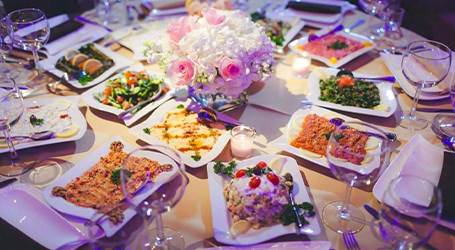
Designing a Menu That Feels Premium, Balanced, and Memorable
Creating the right menu is where your event truly starts to take shape. This is not about adding as many dishes as possible. It is about building a smooth, enjoyable experience where every item feels intentional and well-placed.
A strong event catering plan always begins with clarity. What kind of feeling do you want guests to have while dining? Elegant, energetic, relaxed, or celebratory. Your menu should support that emotion from start to finish.
Start with a Clear Menu Structure
Random food selection creates confusion. A structured menu creates flow.
Think in layers:
- Light starters to begin the experience
- A well-balanced main course
- A satisfying but not overwhelming dessert
This progression keeps guests engaged without making them feel heavy or tired.
Balance Variety Without Overcrowding
More options do not always mean better quality. Too many dishes can overwhelm guests and reduce focus.
Instead, aim for:
- A few high-quality appetizers
- Two to three strong main options
- One or two standout desserts
This approach keeps your event catering clean, focused, and premium.
Mix Familiar and Unique Flavors
Guests appreciate comfort, but they also enjoy something new. The best menus combine both.
For example:
- A classic dish everyone recognizes
- A slightly creative option that adds interest
This balance ensures guests feel comfortable while still experiencing something special.
Presentation Creates Instant Impact
Before anyone tastes the food, they see it. That first impression matters.
Clean plating, thoughtful arrangement, and consistent styling make everything feel elevated. Even simple dishes look premium when presented correctly.
Venues like Fabrizio Banquet Hall naturally enhance this effect because the environment supports refined setups and elegant displays.
Keep Guest Comfort in Mind
A great menu always considers the people attending.
This includes:
- Offering at least one lighter option
- Including plant-based or alternative choices
- Avoiding overly complex combinations
When guests feel comfortable with the food, they enjoy the event more.
Portion Control Matters
Too much food can slow down the event. Too little can leave guests unsatisfied.
Balanced portions allow guests to enjoy every course without feeling rushed or overly full. This keeps energy levels steady throughout the event.
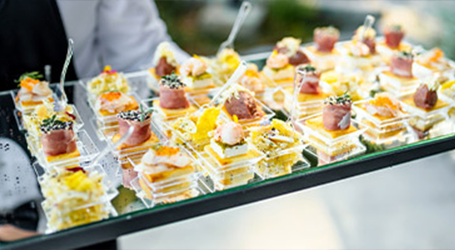
Match Food with Event Timing
The same menu can feel different depending on timing.
- Day events work better with lighter options
- Evening events allow richer, more complete meals
Aligning your event catering with the schedule keeps everything feeling natural.
Create a Smooth Dining Flow
Transitions between courses should feel effortless.
Avoid long gaps or sudden changes. A steady rhythm keeps guests engaged and prevents distractions.
Good coordination turns dining into an experience rather than just a service.
Add One Memorable Element
Every great event has something guests talk about later.
It could be:
- A signature dish
- A live station
- A unique dessert presentation
This small detail makes your event catering stand out without overcomplicating the menu.
Focus on Quality Over Quantity
The final rule is simple. Fewer items, executed perfectly, always outperform a large menu done poorly.
High-quality ingredients, consistent taste, and clean presentation create a stronger impression than variety alone.
When your menu is designed with intention, everything feels connected. Guests enjoy the experience, the event flows smoothly, and the overall atmosphere becomes more refined.
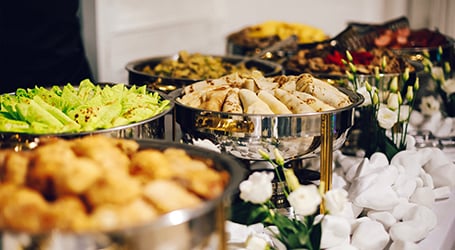
Why the Right Venue and Catering Together Create a Complete Experience
The final piece of planning is where everything connects. Even the best menu can fall flat if the venue does not support it properly. This is why choosing the right space matters just as much as selecting the food itself.
In a city like Las Vegas, expectations are naturally higher. Guests are used to premium environments, smooth service, and visually appealing setups. That means your event needs more than just good food. It needs the right setting to bring everything together.
This is where Fabrizio Banquet Hall stands out.
The venue is designed to support events where catering feels like part of the atmosphere, not a separate service. From layout to lighting, everything works in a way that enhances presentation, improves service flow, and keeps guests comfortable throughout the event.
One of the biggest advantages is how well the space adapts to different event styles. Whether you are hosting a formal gathering, a corporate function, or a private celebration, the setup allows catering to match the mood perfectly. This flexibility makes planning much easier because you are not forcing your vision into a space that does not fit.
Another reason it works so well is coordination. When the venue and catering flow together, service becomes smoother. Food arrives on time, transitions feel natural, and guests remain engaged without interruptions. This level of consistency is what separates average events from truly memorable ones.
Location also plays an important role. Being in Las Vegas means accessibility, convenience, and a setting that already carries a sense of excitement. Guests arrive with expectations, and the right venue ensures those expectations are met.
What makes the biggest difference, though, is attention to detail. From table arrangements to overall presentation, everything feels intentional. This allows your event catering to shine instead of getting lost in the environment.
In the end, successful events are not built on one element alone. They come from the combination of the right menu, the right timing, and the right venue working together seamlessly. When all three align, the result is an experience guests remember long after the event is over.