Blog

Event Catering: The Smart Foundation Behind Every Unforgettable Event

Understanding Event Catering Before Making Any Decision

When planning a successful event, one of the most critical decisions you will make is selecting the right event catering approach. Food is not just something served to guests. It becomes a core part of the experience that people remember, talk about, and judge the entire event by.

Before choosing any catering option, you need to understand what professional event catering actually includes. It is not limited to dishes or menus. It combines food quality, service style, presentation, timing, and guest satisfaction into one complete system.

Why Catering Defines Your Event Experience

Guests may forget decorations or minor details, but they rarely forget food. A well-executed catering plan creates a lasting impression, while poor execution can overshadow everything else.

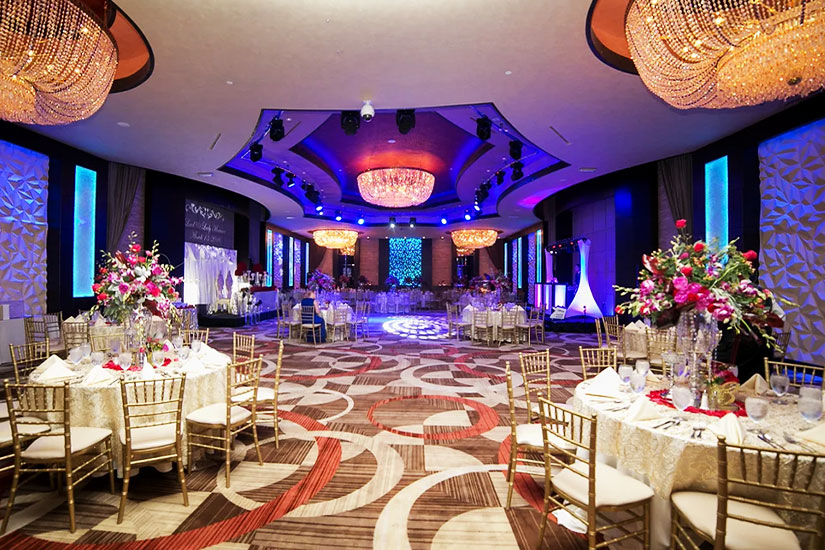
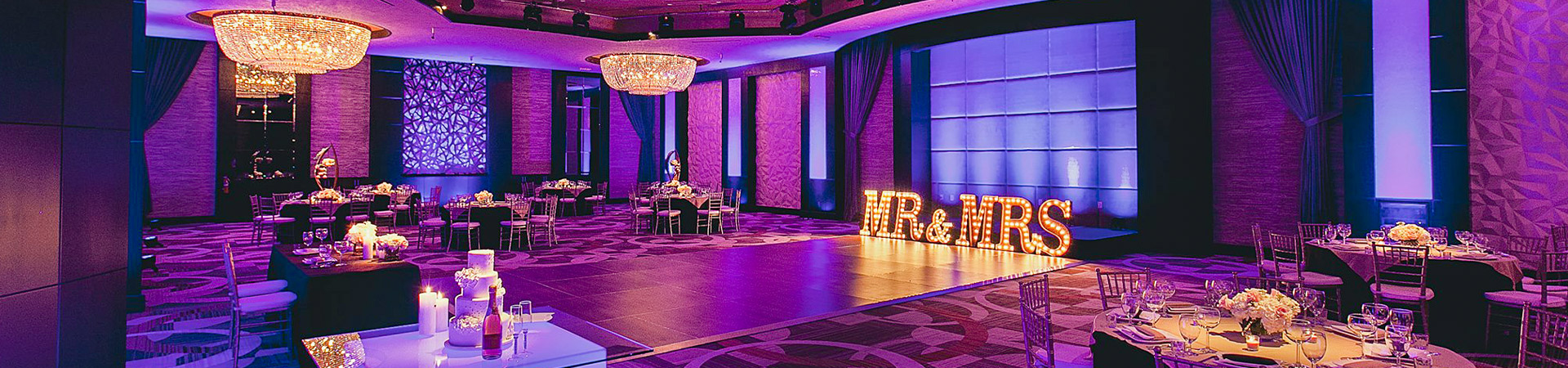
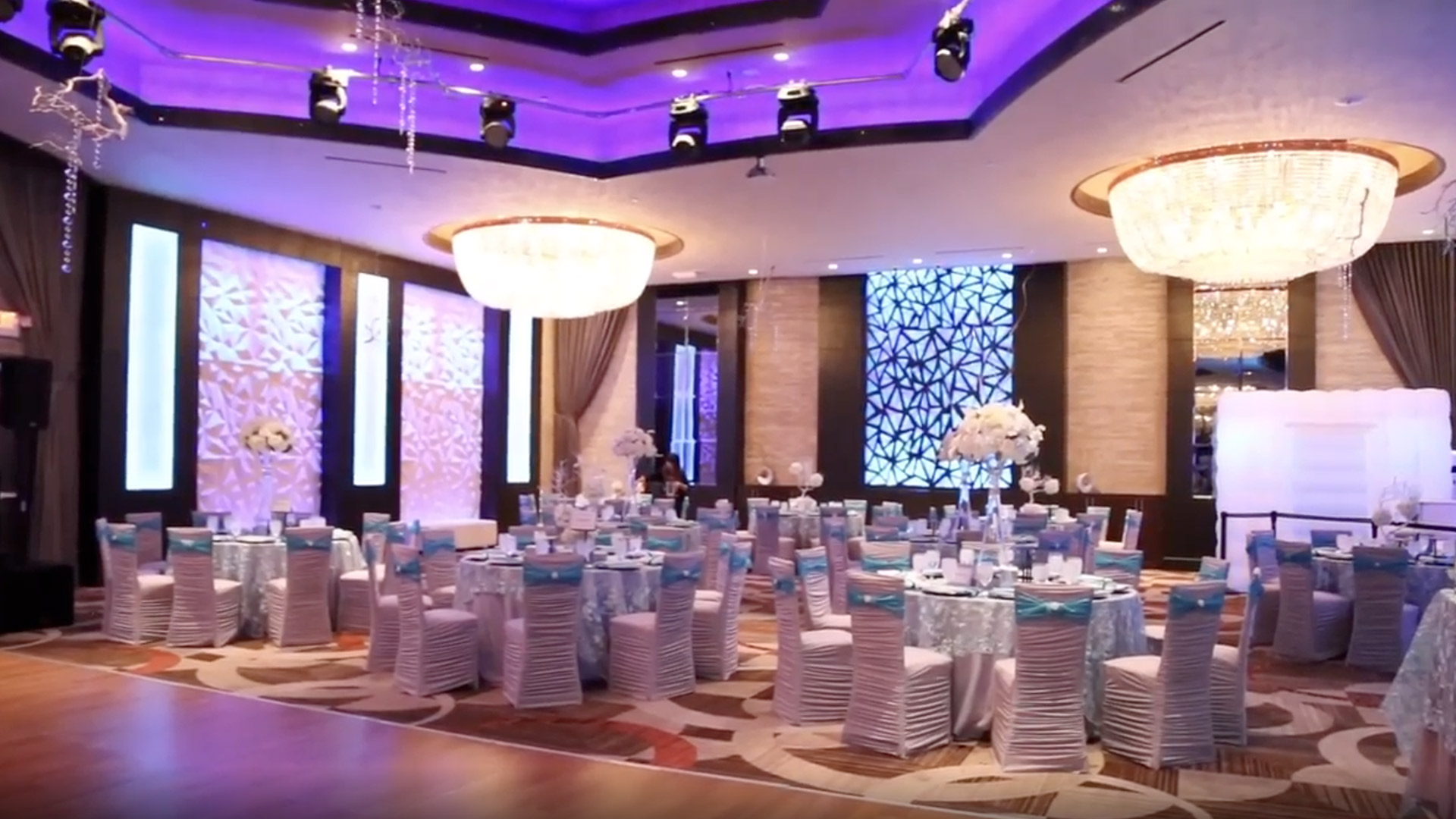
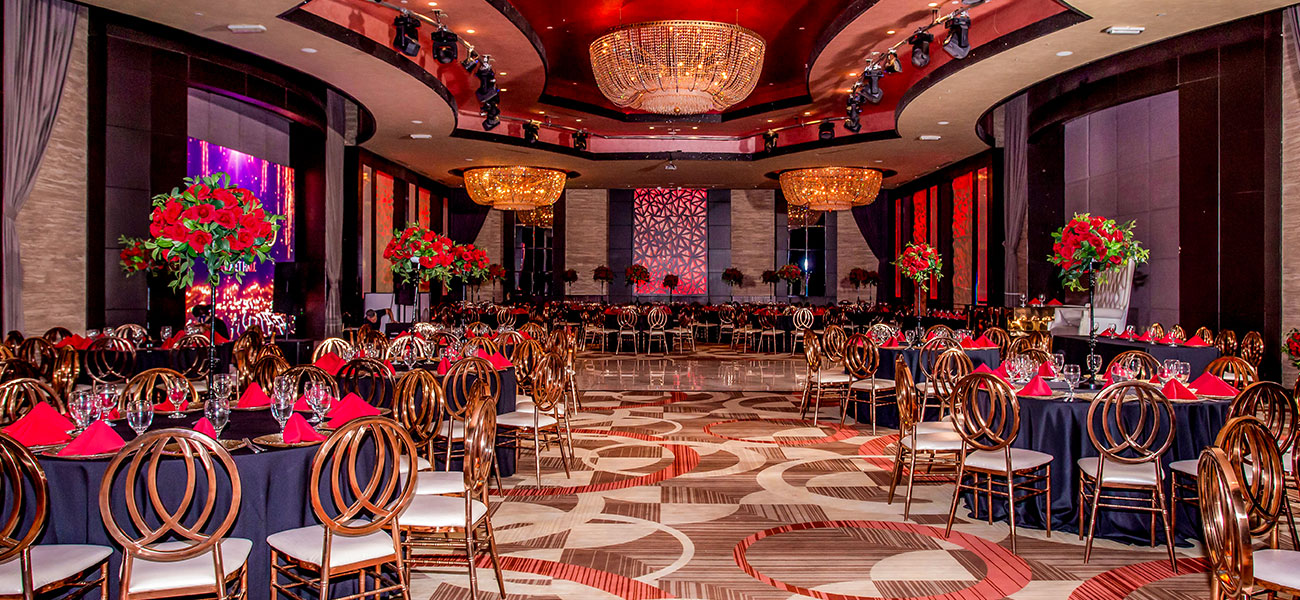
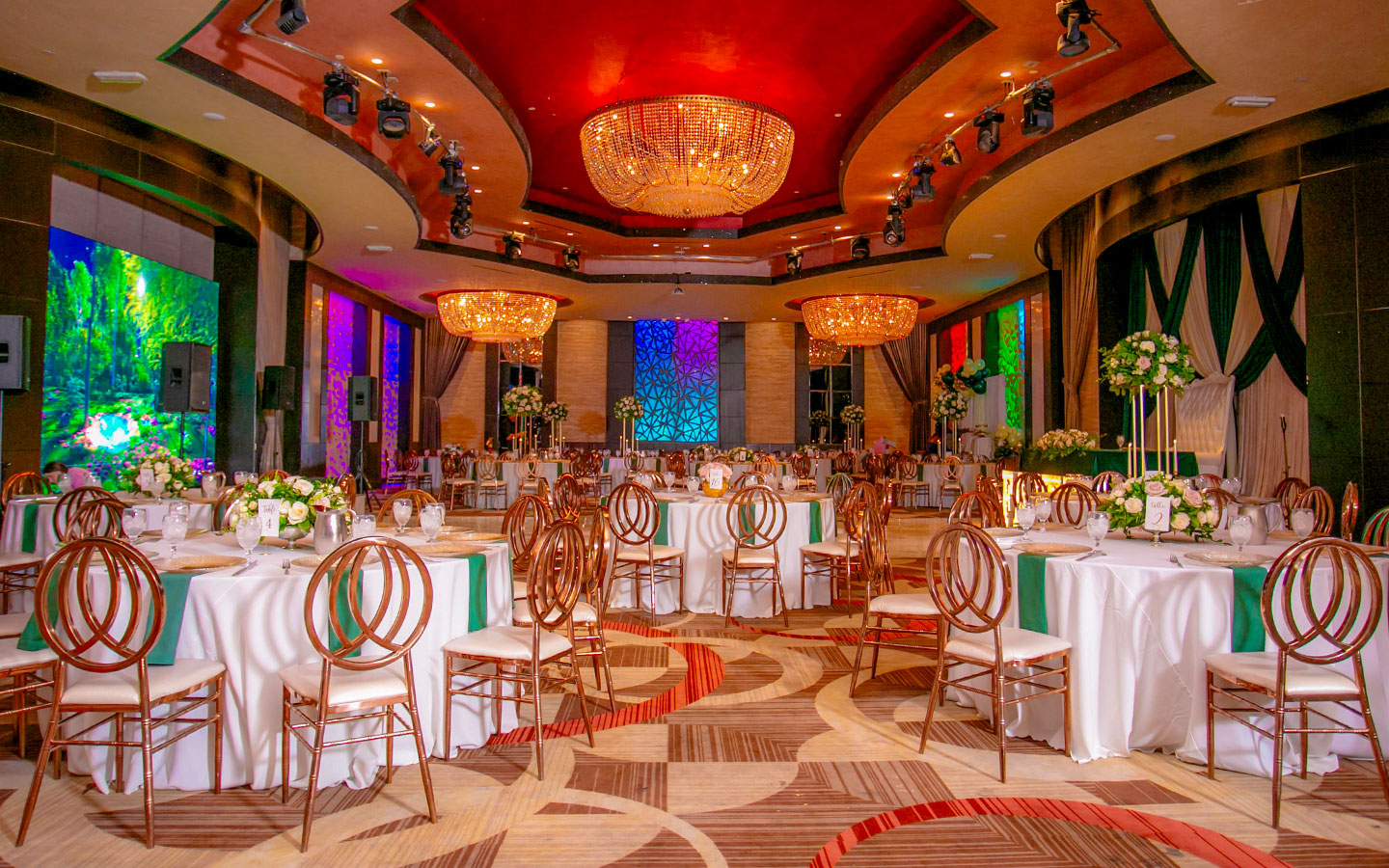
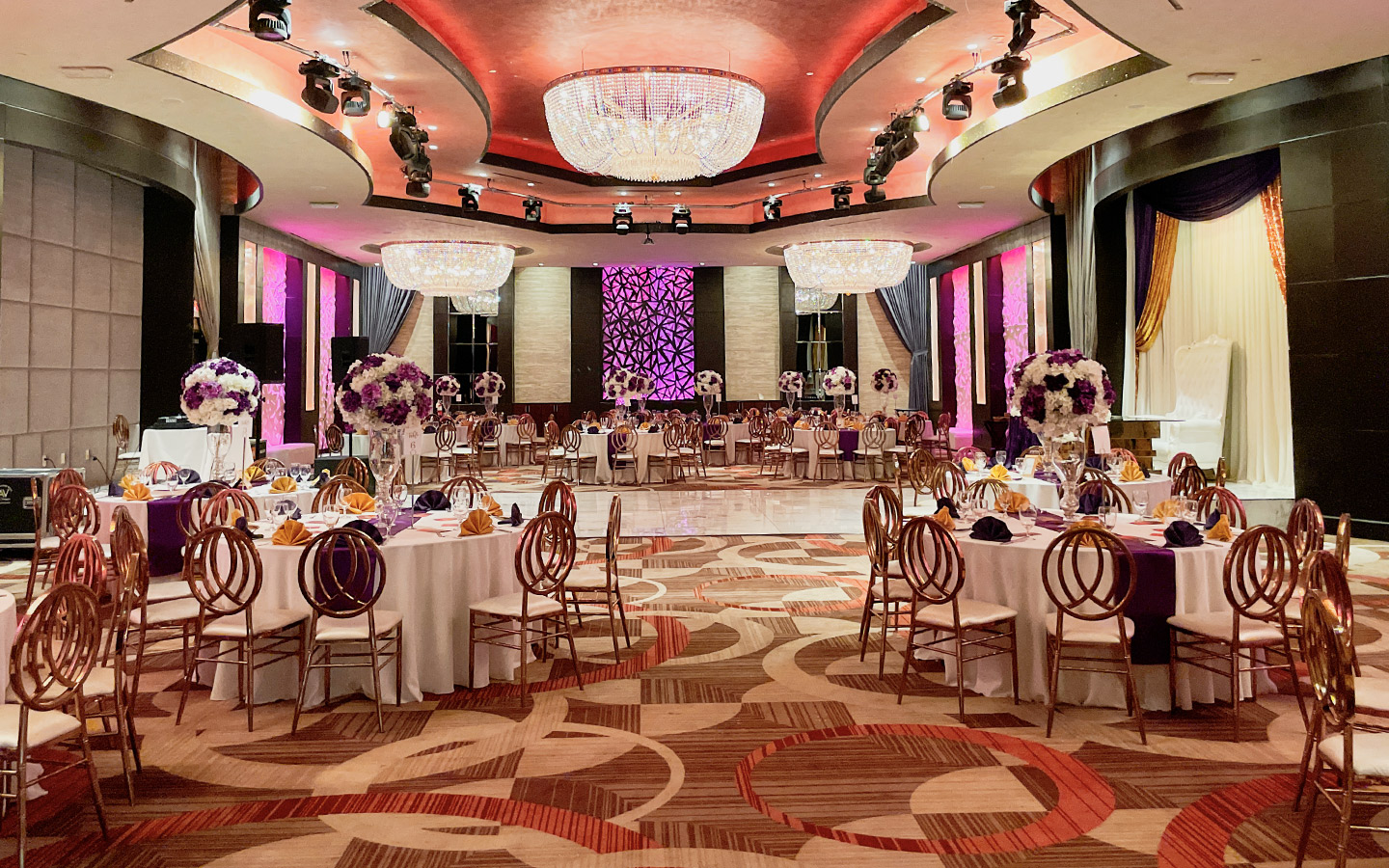
This is why hosting your event at a premium venue like Fabrizio Banquet Hall makes a major difference. The environment is designed to support high-end experiences where catering, ambiance, and service work together seamlessly.

At such venues, catering is not just functional. It becomes part of the luxury atmosphere that elevates the entire event.

Choosing the Right Catering Style

Every event has a different purpose, and your catering style should reflect that. Common options include:

  • Buffet service for variety and flexibility
  • Plated meals for formal and elegant gatherings
  • Food stations for interactive experiences
  • Cocktail-style service for social events

The key is not to follow trends blindly but to match the catering style with your event type and guest expectations.

Food Quality and Presentation Standards

High-quality event catering focuses on more than taste. Presentation plays a huge role in perception. Guests often judge food before even taking a bite.

A strong catering plan includes:

  • Fresh and premium ingredients
  • Visually appealing plating
  • Balanced menu combinations
  • Consistent quality across servings

In competitive markets like Las Vegas, expectations are naturally higher. Guests are used to premium experiences, so your catering should reflect that standard without overcomplicating the menu.

Planning for Guest Preferences

Modern events require inclusivity. A well-planned event catering strategy considers different dietary needs without making it obvious or complicated.

This includes:

  • Vegetarian and vegan options
  • Gluten-free selections
  • Cultural or dietary accommodations

When guests feel considered, the overall experience improves automatically.

Timing and Event Flow

One of the most overlooked elements in catering is timing. Even great food can lose its impact if served too early or too late.

Professional catering aligns with:

  • Event schedule
  • Speeches and entertainment
  • Guest arrival flow

At organized venues like Fabrizio Banquet Hall, this coordination becomes smoother because the space is designed for structured events.

Service Team Matters More Than You Think

Catering is not just about chefs. Service staff play a major role in shaping guest experience.

Strong event catering includes:

  • Professional and polite servers
  • Efficient coordination
  • Clean presentation
  • Quick response to guest needs

Good service creates comfort, while poor service creates frustration regardless of food quality.

Budget Planning with Smart Decisions

Budget does not mean choosing the cheapest option. It means choosing the smartest value.

Instead of focusing only on cost, consider:

  • What is included in the package
  • Service quality
  • Overall experience

Investing in quality catering often leads to better guest satisfaction and stronger event impact.
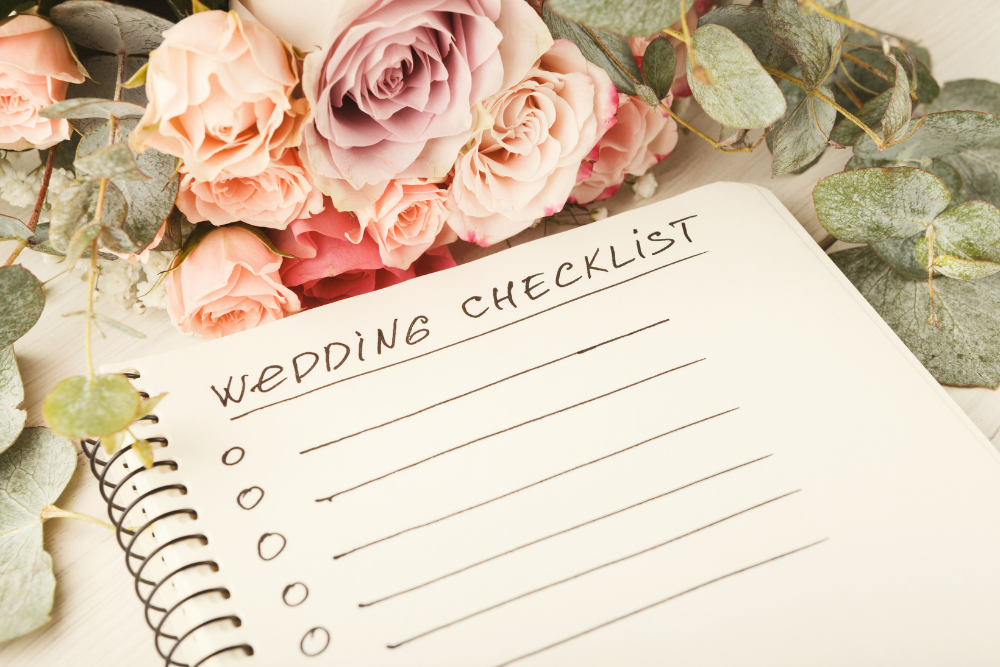
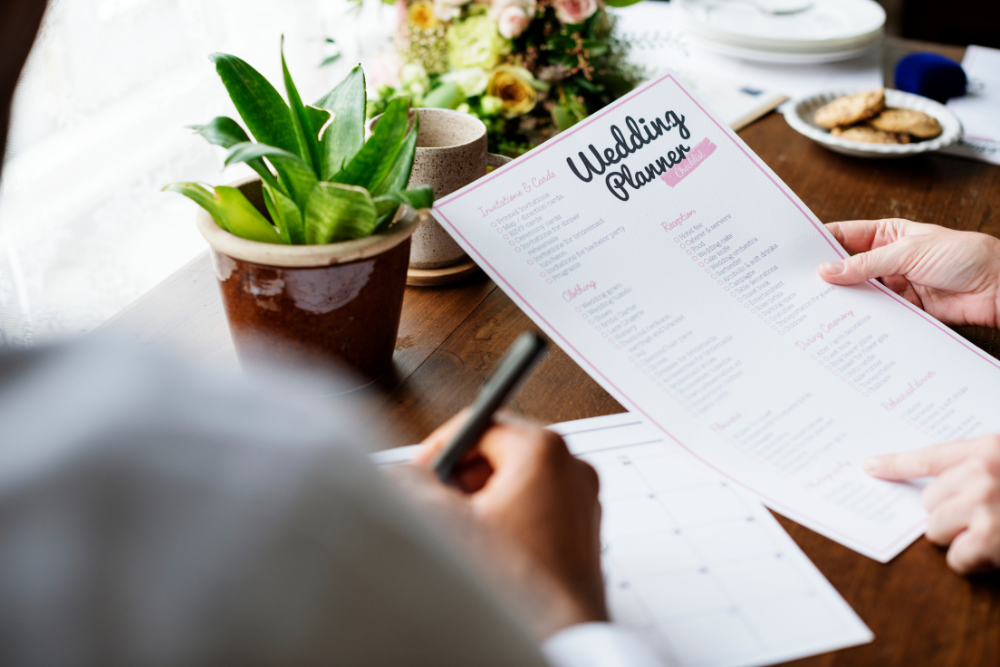
Open notebook with wedding venue checklist surrounded by pink roses and greenery, symbolizing essential planning for couples.

How to Match Catering Choices with Your Event Type for Maximum Impact

Once you understand the basics, the real difference comes from how well your catering aligns with the type of event you are hosting. This is where most people make mistakes. They choose food based on personal preference instead of thinking about the overall experience they want to create.

Every event carries a different energy. A wedding, for example, is emotional and elegant. A corporate function is structured and professional. A birthday celebration is relaxed and expressive. Your food service should reflect that tone instead of working against it.

For formal gatherings, structured dining works best. A plated setup allows everything to feel organized, refined, and premium. Guests remain seated, service flows smoothly, and the event maintains a polished atmosphere. This is especially effective in venues like Fabrizio Banquet Hall, where the environment naturally supports upscale presentations and coordinated service.

On the other hand, if your event is more social and interactive, a buffet or station-style arrangement creates a completely different dynamic. Guests move around, engage more freely, and the environment becomes more lively. This approach works well for celebrations where connection and conversation are more important than formality.

Another key factor is guest behavior. Think about how your attendees will interact. If your audience includes professionals attending a networking event, they will prefer lighter, easy-to-eat options that do not interrupt conversations. Heavy meals in such settings can actually reduce engagement because people become more focused on eating rather than interacting.

In contrast, weddings or milestone celebrations benefit from a more complete dining experience. Guests expect multiple courses, thoughtful presentation, and a sense of occasion. In these situations, catering becomes part of the emotional journey of the event rather than just a service.

Timing also plays a major role here. The same food can feel completely different depending on when and how it is served. For example, serving a full meal too early can slow down the event, while serving it too late can frustrate guests. The goal is to align food service with the natural flow of the event so everything feels effortless.

Another important detail is menu structure. Instead of randomly selecting dishes, your menu should feel cohesive. Flavors should complement each other, and the progression of courses should make sense. A well-structured menu creates a smooth experience, while a poorly planned one feels disconnected.

Cultural awareness is also becoming increasingly important. Events today often include diverse guest lists, and acknowledging that through food choices creates a more inclusive atmosphere. Small details like offering familiar flavors or accommodating dietary needs can significantly improve how guests perceive the event.

Venue compatibility should never be ignored. The catering style must fit the space. Large, open venues allow for more creative setups like food stations, while elegant indoor halls are better suited for refined service styles. When the catering matches the venue, everything feels intentional instead of forced.

Service flow is another element that separates average events from exceptional ones. Guests should never feel rushed or left waiting. Smooth transitions between courses, timely clearing of tables, and attentive staff all contribute to a seamless experience.

Finally, always think about the lasting impression. The goal is not just to serve food but to create a moment that guests remember. When catering aligns perfectly with the event type, it enhances every other element, from décor to entertainment.

This is where thoughtful planning pays off. Instead of treating catering as a checklist item, treat it as a core part of your event strategy. When done right, it elevates everything around it and turns a simple gathering into something unforgettable.
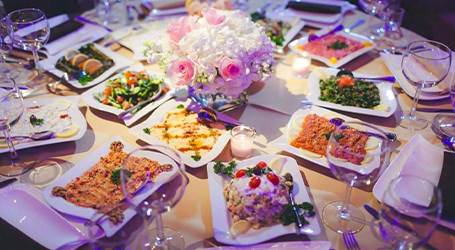
Event Catering, Family Style Dining

Designing a Menu That Feels Premium, Balanced, and Memorable

Creating the right menu is where your event truly starts to take shape. This is not about adding as many dishes as possible. It is about building a smooth, enjoyable experience where every item feels intentional and well-placed.

A strong event catering plan always begins with clarity. What kind of feeling do you want guests to have while dining? Elegant, energetic, relaxed, or celebratory. Your menu should support that emotion from start to finish.

Start with a Clear Menu Structure

Random food selection creates confusion. A structured menu creates flow.

Think in layers:

  • Light starters to begin the experience
  • A well-balanced main course
  • A satisfying but not overwhelming dessert

This progression keeps guests engaged without making them feel heavy or tired.

Balance Variety Without Overcrowding

More options do not always mean better quality. Too many dishes can overwhelm guests and reduce focus.

Instead, aim for:

  • A few high-quality appetizers
  • Two to three strong main options
  • One or two standout desserts

This approach keeps your event catering clean, focused, and premium.

Mix Familiar and Unique Flavors

Guests appreciate comfort, but they also enjoy something new. The best menus combine both.

For example:

  • A classic dish everyone recognizes
  • A slightly creative option that adds interest

This balance ensures guests feel comfortable while still experiencing something special.

Presentation Creates Instant Impact

Before anyone tastes the food, they see it. That first impression matters.

Clean plating, thoughtful arrangement, and consistent styling make everything feel elevated. Even simple dishes look premium when presented correctly.

Venues like Fabrizio Banquet Hall naturally enhance this effect because the environment supports refined setups and elegant displays.

Keep Guest Comfort in Mind

A great menu always considers the people attending.

This includes:

  • Offering at least one lighter option
  • Including plant-based or alternative choices
  • Avoiding overly complex combinations

When guests feel comfortable with the food, they enjoy the event more.

Portion Control Matters

Too much food can slow down the event. Too little can leave guests unsatisfied.

Balanced portions allow guests to enjoy every course without feeling rushed or overly full. This keeps energy levels steady throughout the event.
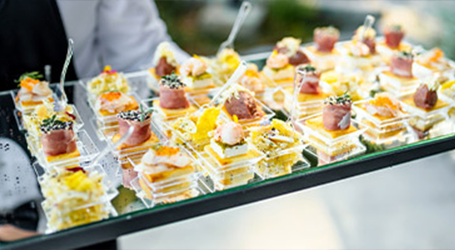
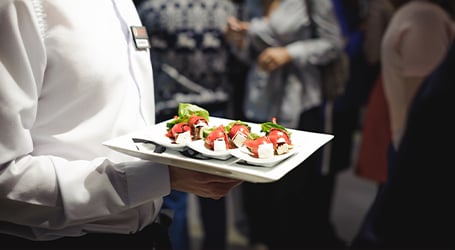
sweets, event catering, Hors D’oeuvres at Fabrizio Banquet Hall

Match Food with Event Timing

The same menu can feel different depending on timing.

  • Day events work better with lighter options
  • Evening events allow richer, more complete meals

Aligning your event catering with the schedule keeps everything feeling natural.

Create a Smooth Dining Flow

Transitions between courses should feel effortless.

Avoid long gaps or sudden changes. A steady rhythm keeps guests engaged and prevents distractions.

Good coordination turns dining into an experience rather than just a service.

Add One Memorable Element

Every great event has something guests talk about later.

It could be:

  • A signature dish
  • A live station
  • A unique dessert presentation

This small detail makes your event catering stand out without overcomplicating the menu.

Focus on Quality Over Quantity

The final rule is simple. Fewer items, executed perfectly, always outperform a large menu done poorly.

High-quality ingredients, consistent taste, and clean presentation create a stronger impression than variety alone.

When your menu is designed with intention, everything feels connected. Guests enjoy the experience, the event flows smoothly, and the overall atmosphere becomes more refined.

event catering , Buffet Style Dining

Why the Right Venue and Catering Together Create a Complete Experience

The final piece of planning is where everything connects. Even the best menu can fall flat if the venue does not support it properly. This is why choosing the right space matters just as much as selecting the food itself.

In a city like Las Vegas, expectations are naturally higher. Guests are used to premium environments, smooth service, and visually appealing setups. That means your event needs more than just good food. It needs the right setting to bring everything together.

This is where Fabrizio Banquet Hall stands out.

The venue is designed to support events where catering feels like part of the atmosphere, not a separate service. From layout to lighting, everything works in a way that enhances presentation, improves service flow, and keeps guests comfortable throughout the event.

One of the biggest advantages is how well the space adapts to different event styles. Whether you are hosting a formal gathering, a corporate function, or a private celebration, the setup allows catering to match the mood perfectly. This flexibility makes planning much easier because you are not forcing your vision into a space that does not fit.

Another reason it works so well is coordination. When the venue and catering flow together, service becomes smoother. Food arrives on time, transitions feel natural, and guests remain engaged without interruptions. This level of consistency is what separates average events from truly memorable ones.

Location also plays an important role. Being in Las Vegas means accessibility, convenience, and a setting that already carries a sense of excitement. Guests arrive with expectations, and the right venue ensures those expectations are met.

What makes the biggest difference, though, is attention to detail. From table arrangements to overall presentation, everything feels intentional. This allows your event catering to shine instead of getting lost in the environment.

In the end, successful events are not built on one element alone. They come from the combination of the right menu, the right timing, and the right venue working together seamlessly. When all three align, the result is an experience guests remember long after the event is over.


Winter Wedding Planning Tips to Create a Warm and Elegant Celebration

Winter wedding planning requires a different approach compared to any other season. While summer weddings focus on outdoor beauty and flexibility, winter celebrations depend heavily on comfort, timing, and atmosphere.

This season offers something unique. It allows you to create a setting that feels intimate, refined, and memorable. However, without proper planning, it can also bring challenges that many couples do not anticipate.

The key is not to avoid winter weddings, but to plan them with intention.

When your decisions are aligned with the season, your celebration feels natural instead of forced. And when everything is supported by a well-prepared venue like Fabrizio Banquet Hall, the entire experience becomes easier to manage.

Plan Earlier Than You Normally Would

Timing is one of the most important parts of winter wedding planning. Unlike other seasons, winter comes with overlapping schedules, holidays, and limited availability.

If you follow a standard timeline, you may quickly find that vendors and venues are already booked. This is why starting earlier gives you a major advantage.

Sending invitations sooner also helps your guests. Many people already have commitments during this time of year, and giving them more notice increases the chances that they will attend.

Early planning is not just about availability. It is about reducing pressure as your wedding date approaches.

wedding planning tips, Couple building a wedding planning priority list to align decisions and reduce planning stress

Be Realistic About Guest Availability

Winter is a season filled with personal plans, travel, and family gatherings. Because of this, it is important to stay flexible when it comes to your guest list.

Even close friends or relatives may not be able to attend, and that is something you should prepare for in advance.

Instead of trying to control this, focus on creating a great experience for those who are able to be there. A well-planned celebration does not depend on the number of guests, but on how smoothly everything comes together.

Choose an Indoor Setting That Feels Comfortable

Weather is the biggest factor that affects winter weddings. Cold temperatures and unpredictable conditions can create unnecessary stress if not managed properly.

This is why choosing the right indoor environment is essential.

A well-designed wedding venue gives you control over temperature, lighting, and overall atmosphere. Instead of worrying about external conditions, you can focus entirely on your event.

Comfort plays a major role in how your guests experience the celebration. When the environment feels balanced, everything else becomes more enjoyable.

graduation party decoration ideas

Create Warmth Through Experience, Not Just Decor

One of the biggest advantages of winter weddings is the ability to create a cozy and inviting atmosphere. However, this should not rely only on decoration.

Warmth comes from how the entire experience is designed.

For example, offering seasonal drinks or creating a welcoming arrival experience can immediately set the tone. These small details make guests feel comfortable from the moment they enter.

Working with a well-organized catering setup helps ensure that food and beverages are served in a way that supports the overall atmosphere.

It is not about doing more. It is about doing the right things at the right time.

Keep Seasonal Elements Balanced

Winter themes can add a beautiful touch to your wedding, but balance is important.

Overusing seasonal elements can make your event feel more like a holiday gathering rather than a wedding. The goal is to reflect the season without losing the focus of your celebration.

Subtle details often have a stronger impact than excessive decoration. A refined approach keeps your event elegant and avoids overwhelming the space.

Process Works at Fabrizio

Manage Temperature Thoughtfully

One of the most overlooked parts of winter wedding planning is indoor temperature.

While it may be cold outside, increasing the heat too much inside can make the environment uncomfortable. With a large number of guests, the room naturally warms up over time.

The ideal setup maintains a balanced temperature that adapts as the event progresses. This ensures that guests remain comfortable from beginning to end.

Keep Entertainment Aligned With the Atmosphere

Music and entertainment should match the tone of your wedding.

While seasonal songs can be included, they should be used carefully. The goal is to enhance the experience, not dominate it.

A well-balanced playlist keeps the energy consistent and allows guests to enjoy both the celebration and the atmosphere.

graduation party ideas setup

Secure Your Bookings Without Delay

Winter is one of the busiest times for events. Between weddings, corporate gatherings, and holiday parties, availability becomes limited quickly.

Waiting too long to book your venue or vendors can reduce your options significantly.

Securing your arrangements early ensures that you get the team and setup you want without compromise. It also allows you to focus on refining details instead of rushing decisions.

Why the Right Venue Makes Winter Planning Easier

Winter wedding planning becomes much simpler when your venue supports your vision from the beginning.

That is exactly what you get with Fabrizio Banquet Hall.

Instead of adjusting your plans to fit the space, you have an environment that works with you. From layout to coordination, everything is designed to create a smooth and organized experience.

If you are looking for a setting that combines comfort, elegance, and flexibility, choosing the right event space is what brings everything together.

Why Choosing the Right Las Vegas Venue Changes Everything

Winter wedding planning can feel overwhelming if the venue does not support your vision. In a city like Las Vegas, where events are expected to feel polished and memorable, the space you choose plays a much bigger role than most couples realize.

This is where Fabrizio Banquet Hall makes a real difference.

Instead of adjusting your ideas to fit limitations, you get a venue that is designed to handle weddings with structure, flexibility, and attention to detail. From the layout to the overall flow of your event, everything is built to support a smooth experience from start to finish.

A Winter-Friendly Indoor Environment That Works in Your Favor

One of the biggest challenges of winter weddings is managing comfort. Cold weather, unpredictable conditions, and timing issues can easily affect the overall experience if not handled properly.

Choosing a well-prepared wedding venue in Las Vegas eliminates those concerns.

An indoor setting gives you full control over temperature, lighting, and atmosphere. Instead of worrying about external conditions, you can focus entirely on creating a celebration that feels warm, welcoming, and consistent throughout the event.

This level of control is what allows winter weddings to feel elegant rather than complicated.

Simplifying Your Planning With a Complete Setup

Planning a wedding often means coordinating multiple vendors, timelines, and arrangements. During winter, this can become even more complex due to scheduling conflicts and seasonal demand.

That is why many couples prefer a more streamlined approach.

Choosing an all-inclusive option allows you to bring everything together in one place. Instead of managing separate services, you have a coordinated system where each element works seamlessly with the others.

This not only saves time but also reduces the chances of miscommunication or last-minute issues.

Elevating the Guest Experience With the Right Details

A successful wedding is not just about how it looks, but how it feels for your guests.

From the moment they arrive, every detail contributes to their experience. Comfort, flow, and presentation all play a role in how the event is remembered.

Having access to professional catering ensures that your dining experience matches the quality of your setting. Warm, well-timed service enhances the atmosphere and keeps guests engaged throughout the celebration.

When food, space, and timing are aligned, the entire event feels more complete.

A Space Designed for Real Celebrations, Not Limitations

Not all venues are designed with flexibility in mind. Some spaces restrict layout options, limit customization, or make coordination more difficult than it needs to be.

That is not the case here.

Fabrizio Banquet Hall provides a setting where your ideas can actually come to life. Whether you are planning a small, intimate gathering or a larger celebration, the space adapts to your needs instead of forcing you to compromise.

This is especially important during winter, where planning requires more precision and control.

Create a Winter Wedding That Feels Effortless

At the end of the day, your wedding should not feel stressful or overly complicated. It should feel smooth, organized, and enjoyable from beginning to end.

That is what happens when you combine thoughtful planning with the right venue.

In Las Vegas, where celebrations are meant to stand out, choosing a space that supports your vision makes all the difference. Instead of managing challenges, you are able to focus on the experience itself.

And when everything comes together the right way, your winter wedding does not just look beautiful, it feels complete, comfortable, and truly memorable.

3 Graduation Party Ideas That Make Your Celebration Stand Out

1. Graduation Party Ideas With Structured Indoor Setup With Defined Zones

Graduation party ideas can often feel repetitive, but with the right approach, your celebration can become something truly memorable. There is no flow, no movement, and no real experience.

A well-planned indoor setup changes that completely.

Instead of treating the venue as a single open space, divide it into clearly defined zones. This approach is commonly used in professional event planning because it naturally guides how guests interact with the celebration.

For example, the entrance should feel intentional. It sets the tone immediately. A clean, welcoming entry with a focal point, such as a backdrop or display, gives guests a sense that they are stepping into something organized rather than casual.

After that, the main seating area should feel comfortable but not restrictive. Avoid placing all seating in one tight arrangement. Instead, allow spacing that encourages movement. Guests should be able to sit, stand, and move around without feeling stuck.

This is where choosing the right event space makes a difference. A flexible layout allows you to create these zones without forcing everything into one arrangement.

Another important section is a dedicated interaction area. This could be a space for photos, conversations, or even small activities. The goal is to give guests a reason to move beyond their tables.

When people move, the energy of the event increases. The celebration feels active instead of static.

Lighting also plays a key role in defining these zones. Slight variations in brightness or focus can separate areas without needing physical barriers. For example, a slightly highlighted section for photos or a softer tone in seating areas can subtly guide attention.

One of the biggest advantages of an indoor structured setup is control. You are not dependent on weather, noise, or external distractions. Everything remains consistent from start to finish.

This allows you to focus on the experience instead of managing unexpected issues.

A well-organized venue like Fabrizio Banquet Hall naturally supports this type of layout. Instead of adjusting your plan to fit the space, the space works with your plan.

That difference is what turns a simple gathering into something that feels intentional and memorable.

Another factor to consider is how food and seating interact with your layout. If everything is placed too close together, it creates congestion. If it is too spread out, it feels disconnected.

Balancing these elements ensures that guests move comfortably without confusion. This is a detail many people overlook, but it has a direct impact on how smooth the event feels.

Music should also match the structure of your event. It should support the environment, not dominate it. A well-balanced sound level keeps the energy up without making conversation difficult.

When all these elements come together, the result is a graduation party that feels complete. Guests are not just attending, they are experiencing something that has been thoughtfully designed.

This is what separates an average celebration from one that truly stands out.

graduation party decoration ideas

2. Graduation Party Ideas That Tell a Personal Story

Most graduation parties look good for a few minutes, but they do not leave any lasting impression. The reason is simple. They focus on decoration instead of meaning.

One of the strongest graduation party ideas is turning the entire event into a visual story. Instead of random decor, every element should connect to the graduate’s journey.

This approach immediately makes the celebration feel personal and different from anything guests have seen before.

Start by thinking about milestones. School years, achievements, memorable moments, and future goals can all be part of the story. These are not just memories, they are the foundation of your event design.

A simple but powerful way to present this is through a timeline-style setup. Instead of placing decorations randomly, arrange them in a way that shows progression. This can be done through photos, small displays, or themed sections that represent different phases of life.

For example, one area can highlight early achievements, while another reflects recent accomplishments. This creates a natural flow that guests can walk through and experience.

This is very different from traditional setups where everything is placed in one spot without context.

To make this work effectively, the space needs to support movement and visibility. A well-planned event venue allows you to spread out these elements so they are easy to explore rather than crowded together.

Another important element is consistency. Even though you are showing different stages, the overall design should still feel connected. This can be done through color, layout, or presentation style.

For example, using a consistent frame style, lighting tone, or display format keeps everything visually balanced. Without this, the setup can feel scattered instead of intentional.

You can also include subtle interactive elements. Guests naturally enjoy engaging with displays when they feel connected to them.

A memory board, short notes, or even simple messages can make the experience more engaging without overcomplicating the setup.

The key is to keep it meaningful, not overwhelming.

Lighting plays a very important role here. Highlighting specific sections can guide attention and create focus points. Guests should naturally move from one part of the story to another without confusion.

This type of setup works especially well in a space that already supports structured layouts, such as Fabrizio Banquet Hall, where the environment allows clear organization without limitations.

Another advantage of this idea is that it creates natural conversation. Guests do not just sit and talk randomly. They engage with the story, share memories, and connect with each other through the experience.

This adds depth to the event. It becomes more than a celebration, it becomes something people remember.

It is also important to keep balance. While storytelling is powerful, overloading the space with too many elements can reduce its impact. Focus on quality over quantity.

Each section should feel intentional, not crowded.

Music and overall atmosphere should also support this concept. The goal is to create a calm, engaging environment where guests feel comfortable exploring and interacting.

When done correctly, this approach transforms a graduation party into something far more meaningful.

Instead of just celebrating the end of a chapter, you are showcasing the journey that led to it.

That is what makes it stand out.

graduation party ideas setup

3. Interactive Graduation Party Ideas That Keep Guests Engaged

Many graduation parties look impressive at first but lose energy quickly. The reason is simple. They are designed to be seen, not experienced.

One of the most effective graduation party ideas is shifting the focus from static decoration to interaction. When guests are involved, the entire atmosphere changes. The event feels active, engaging, and memorable instead of quiet and predictable.

This does not mean adding complicated activities. It means designing the environment in a way that naturally encourages participation.

Start by thinking about how guests spend their time at events. If there is nothing to do beyond sitting and eating, the energy drops. Conversations become limited, and people begin to leave earlier than expected.

To avoid this, create moments within the event that invite engagement.

For example, a simple interactive area can make a big difference. This could be a space where guests leave messages, share advice, or contribute something meaningful for the graduate. It gives people a reason to connect beyond casual conversation.

Another effective approach is creating a dedicated social zone. Instead of relying only on seating arrangements, include an open area where guests can gather, move around, and interact more freely.

This keeps the energy balanced throughout the event.

Food presentation can also play a role in interaction. Instead of treating it as just a service, think about how it fits into the experience. When arranged properly, it becomes part of the event rather than just a necessity.

A well-managed catering setup supports this by ensuring smooth flow and easy access, allowing guests to enjoy the experience without interruptions.

Music is another important factor. It should match the mood of the event without overpowering it. The goal is to create an environment where people feel comfortable engaging with each other.

Too loud, and it disrupts conversation. Too quiet, and the energy feels low.

Balance is key.

The layout of the space also affects interaction. If everything is too spread out, guests feel disconnected. If it is too crowded, movement becomes difficult.

A well-balanced layout allows natural movement while keeping people connected. This is where choosing a place like Fabrizio Banquet Hall becomes valuable, as the environment supports both structure and flexibility.

Another important detail is timing. Interaction should not feel forced. It should happen naturally as the event progresses.

For example, opening with a relaxed setup, followed by moments of engagement, and then transitioning into a more social atmosphere helps maintain energy throughout the celebration.

This creates a rhythm that keeps guests involved from beginning to end.

It is also important to keep things simple. Overloading the event with too many activities can feel chaotic. Focus on a few well-thought-out elements instead of trying to include everything.

When interaction is done right, guests feel like they are part of the celebration, not just attending it.

That is what makes the difference.

A graduation party should not feel like a routine gathering. It should feel like a meaningful event where people connect, celebrate, and enjoy the moment together.

When you design your celebration around interaction, you naturally create an experience that stands out without needing excessive decoration or complexity.r celebration instead of managing it.

graduation party ideas

Make Your Graduation Party Ideas Celebration Truly Stand Out

A graduation party is not just about marking an achievement, it is about how that achievement is experienced and remembered. The difference between a basic gathering and a standout celebration comes down to how well everything is planned and brought together.

When your setup is structured, your story is reflected in the details, and your guests are actively engaged, the event naturally feels complete. These are not complicated ideas, but when executed properly, they create a celebration that feels intentional rather than ordinary.

That is exactly where Fabrizio Banquet Hall makes the real difference.

Instead of trying to manage everything in a limited or unorganized space, you get an environment that supports your vision from the start. From layout to overall flow, every detail becomes easier to plan and execute.

If you are looking for a place that allows your graduation event to feel organized, elegant, and memorable, choosing the right event setting is what brings everything together.

At the end of the day, it is not about doing more. It is about doing things the right way.

And when the right planning meets the right space, your celebration does not just look good, it feels complete.

Wedding Planning Tips Most Couples Don’t Think About

Wedding planning tips are everywhere, but most of them focus on the obvious details. You will hear about choosing a venue, picking a dress, deciding on decorations, and building a guest list. While all of that is important, there are many small but critical details that are often overlooked.

These overlooked details are usually the ones that create unnecessary stress later. They are not complicated, but they require awareness early in the planning process.

A well-planned wedding is not just about big decisions. It is about how smoothly everything comes together behind the scenes.

When your planning is supported by a well-organized setting like Fabrizio Banquet Hall, it becomes easier to manage these details without feeling overwhelmed. The environment itself helps reduce complexity and keeps everything structured.

Before getting into deeper planning, it is important to focus on a few smart decisions that can save you time, stress, and confusion later.

Build a Simple System for Guest Responses

One of the most common issues couples face is not knowing their final guest count on time. Many guests delay their responses, forget to reply, or simply do not understand how important it is.

This creates problems across multiple areas. Your seating, catering, and layout all depend on accurate numbers. Without that, even the best planning can become disorganized.

A simple solution is to make the process easier for your guests. Instead of relying only on traditional methods, use a system that allows quick and direct responses.

A digital option works well because it removes unnecessary steps. Guests can respond immediately, and you can track everything in one place. If you still prefer a traditional approach, combining both methods can give you better results.

The goal is not to change your style but to reduce the chances of confusion.

Keep All Wedding Communication in One Place

Once planning begins, the amount of information you receive increases quickly. You will be dealing with schedules, confirmations, quotes, updates, and adjustments from different vendors.

Trying to manage everything through your personal email can become overwhelming. Important details can get lost, and finding specific information later becomes difficult.

Creating a dedicated system for your wedding communication makes a big difference. This keeps everything organized and easy to access when needed.

When all your information is in one place, decision-making becomes faster. You spend less time searching and more time focusing on what actually matters.

This becomes even more helpful when your venue and planning process are already structured in a way that supports organization, especially in a well-managed event space where coordination is part of the experience.

Give Your Ceremony the Attention It Deserves

It is easy to focus heavily on the reception while unintentionally neglecting the ceremony. However, the ceremony is the most meaningful part of your wedding.

It sets the tone for everything that follows. If it feels rushed or unplanned, it can affect how the entire day feels.

Taking time to properly prepare for your ceremony ensures that you feel comfortable and confident. Meeting with your officiant and discussing the flow helps you understand exactly what will happen.

This removes uncertainty and allows you to be fully present in the moment.

When you know what to expect, you are able to enjoy the experience instead of worrying about what comes next.

Weddings at Fabrizio Banquet Hall

Think Beyond Traditional Gift Expectations

Many couples today prefer flexibility when it comes to wedding gifts. Instead of receiving physical items, they may prefer contributions toward future plans.

This could be related to travel, home improvements, or shared goals. The idea is not about replacing tradition but adapting it to what makes sense for your situation.

Modern tools have made this process much easier. Guests can contribute in a way that feels meaningful without creating awkward situations.

Clear communication helps here. When guests understand your preference, they are more comfortable participating.

Plan for Unexpected Guest Situations

No matter how carefully you plan your guest list, unexpected situations can still arise. Some guests may bring additional people, while others may confirm late.

Instead of trying to control every detail, it is better to prepare for flexibility.

Having a small buffer in your seating arrangement can prevent unnecessary stress. It ensures that no one feels uncomfortable and that your event continues smoothly.

When your layout is designed with flexibility in mind, these situations become manageable rather than disruptive.

This is easier to handle in a thoughtfully arranged wedding venue where space and setup can adapt without affecting the overall flow.

Create Space in Your Timeline for Real Moments

One of the biggest surprises couples experience is how quickly the day passes. Months of planning can feel like they disappear in a few hours. Without realizing it, the entire event can become a sequence of schedules, photos, and responsibilities.

That is why it is important to intentionally create space within your timeline. Not for guests, not for vendors, but for yourselves.

This does not need to be long. Even a short moment where you step away from the crowd can make a difference. It gives you time to absorb what is happening and actually feel present.

Many couples look back and wish they had taken a pause instead of moving from one activity to another. Planning this in advance ensures that it actually happens instead of being forgotten in the moment.

Avoid Overloading Your Schedule

It is tempting to include everything in your wedding timeline. From multiple photo sessions to extended activities, it can quickly become packed.

However, a schedule that is too full often creates unnecessary pressure. When every minute is planned, even a small delay can affect everything else.

Keeping your timeline realistic allows flexibility. It gives room for natural transitions and ensures that your event feels smooth instead of rushed.

A well-balanced schedule creates a better experience not only for you but also for your guests. When everything flows naturally, people feel more relaxed and engaged.

Think About Guest Comfort Throughout the Event

While planning, it is easy to focus on visual elements and major decisions. However, guest comfort plays a huge role in how your event is experienced.

Small details can make a big difference. Seating arrangements, waiting times, and overall flow all contribute to how comfortable your guests feel.

For example, long gaps between activities without any engagement can make guests feel disconnected. On the other hand, a smooth transition between different parts of the event keeps the energy consistent.

When your setup is designed thoughtfully, such as in a well-organized event space, managing guest comfort becomes much easier because the layout supports natural movement.

Keep Decision-Making Simple and Focused

One of the biggest challenges during wedding planning is decision fatigue. With so many choices to make, it becomes easy to feel overwhelmed.

Trying to explore every possible option can slow down your progress and create unnecessary stress. Instead, focus on what matters most to you.

Identify your priorities early. Whether it is the venue, food, or overall atmosphere, having clear priorities helps you make faster and more confident decisions.

When you know what truly matters, you avoid getting stuck in small details that do not significantly impact your experience.

Communicate Clearly With Everyone Involved

Clear communication is one of the most important factors in a smooth wedding experience. Misunderstandings can lead to delays, confusion, and unnecessary stress.

Make sure that everyone involved understands their role. This includes vendors, coordinators, and even close family members who may be helping.

Providing clear timelines, expectations, and instructions ensures that everyone is aligned. When people know what to do and when to do it, everything runs more efficiently.

This becomes even more effective when your planning is supported by a structured setup like Fabrizio Banquet Hall, where coordination is already part of the process.

Prepare for Small Things That Can Make a Big Difference

Some of the most helpful wedding planning tips are related to small details that are easy to overlook.

For example, having a simple emergency kit with essentials can save you from unexpected situations. This might include items for quick fixes, comfort, or minor adjustments.

Another useful step is assigning someone you trust to handle small issues on the day of the event. This allows you to stay focused on enjoying your wedding instead of solving problems.

Planning for these small details does not take much time, but it can significantly improve your overall experience.

Stay Flexible Instead of Chasing Perfection

No matter how carefully you plan, unexpected moments can still happen. Trying to control every detail often leads to frustration.

Instead of aiming for perfection, focus on creating a meaningful experience. When you allow room for flexibility, it becomes easier to handle changes without stress.

Some of the best moments at weddings are unplanned. Being open to these moments allows you to enjoy your day more naturally.

wedding planning tips, Groomsmen,

Don’t Let Small Oversights Turn Into Big Problems

One of the most common issues during weddings is not the big decisions, but the small details that are missed along the way.

For example, not confirming timelines with vendors, not double-checking setup arrangements, or assuming that everyone is on the same page can lead to unnecessary confusion.

These are not difficult problems to fix, but they require attention early in the planning process.

Taking time to review your plan from start to finish helps you identify gaps before they become real issues. Even a simple checklist can make a big difference in keeping everything organized.

Give Yourself Time to Actually Enjoy the Day

It is easy to become so focused on managing the event that you forget to experience it.

From greeting guests to handling last-minute adjustments, your attention can quickly shift away from the purpose of the day. This is why it is important to create moments where you can pause and take everything in.

Spending even a few minutes away from the crowd allows you to reflect, relax, and enjoy the fact that all your planning has come together.

These moments are often the ones that stay with you the longest.

wedding planning tips, Couple building a wedding planning priority list to align decisions and reduce planning stress

Trust the Setup You Chose

Once your planning is complete, one of the best things you can do is trust the decisions you have made.

Second-guessing everything on the day of the event only creates unnecessary stress. If you have taken the time to plan carefully, there is no need to worry about every small detail.

This is especially important when you are working with a team that understands how to manage events efficiently. When your venue and support system are reliable, you can focus on enjoying your celebration instead of managing it.

Keep the Experience Smooth for Your Guests

Your wedding is not just about how it looks, but how it feels for the people attending.

Guests notice how smoothly everything runs. They notice if there are long waiting times, confusion in seating, or delays in service.

A well-organized event keeps everything moving naturally. From arrival to seating to dining and celebration, each part should flow into the next without disruption.

This is where the combination of planning and the right environment becomes important. A well-structured event space makes it easier to maintain that flow and ensure that guests feel comfortable throughout the event.

Focus on What Actually Matters

At some point, every couple realizes that not every detail carries the same importance.

While decorations, themes, and small touches add to the experience, what truly matters is how the day feels overall.

If your event is well-organized, your guests are comfortable, and you are able to enjoy the moment, then everything else naturally falls into place.

Trying to perfect every single detail can take away from the experience instead of improving it.

Why the Right Venue Makes Everything Easier

No matter how well you plan, the venue you choose has a major impact on how everything comes together.

A space that is designed to support events properly reduces complications. It allows your planning to translate smoothly into reality without constant adjustments.

That is exactly why Fabrizio Banquet Hall stands out.

Instead of dealing with limitations, you get a space that works with your vision. From layout to coordination, everything is structured to support your event in a way that feels effortless.

If you are looking for a setting that combines elegance with functionality, choosing a wedding venue that is designed for real events makes a noticeable difference.

For couples who prefer a simpler process, an all-inclusive option helps bring everything together without unnecessary stress.

Make Your Wedding Feel Effortless From Start to Finish

The difference between a stressful wedding and a smooth one is not just planning. It is choosing the right foundation.

When your venue, setup, and coordination are aligned, everything becomes easier. You spend less time managing problems and more time enjoying the experience.

And that is exactly what your wedding should feel like.

A celebration where everything flows naturally, your guests feel comfortable, and you are able to fully enjoy every moment without distractions.

Choosing the Right Wedding Catering Service for Your Special Day

A wedding catering service is not just about serving food. It is about creating an experience that your guests will remember long after the celebration ends. No matter how beautiful your decor is or how perfect your setup looks, the food always plays a central role in how people feel about the event.

Guests may not remember every detail of the evening, but they will remember whether the food was enjoyable, whether it was served on time, and whether the overall experience felt smooth. This is why choosing the right catering service is one of the most important decisions you will make during your planning process.

When your catering is aligned with your venue, everything feels more organized. If you are hosting your celebration in a well-planned event space, it becomes easier to manage timing, presentation, and guest movement without unnecessary complications.

Before making any decisions, it is important to understand what actually defines a great catering experience.

Why Food Plays a Central Role in Your Wedding Experience

Food is one of the few elements that every guest interacts with directly. It is not just part of the event, it is part of the memory they take with them.

From the moment guests arrive, they begin forming impressions. As the event progresses, those impressions are shaped by what they experience, and food plays a major role in that process.

A well-executed catering service creates comfort. Guests feel welcomed, taken care of, and able to enjoy the celebration fully. On the other hand, delays, limited options, or poor quality can quickly affect the mood of the entire reception.

This is why your wedding catering service should never be treated as a secondary detail. It should be planned with the same level of attention as your venue and overall design.

Working within a coordinated setup like Fabrizio Banquet Hall can make this process smoother because the space and service are designed to work together.

Understanding the Experience You Want to Create

Before selecting a catering provider, it is important to think about the type of experience you want your guests to have.

Do you want something formal and structured, or something more relaxed and interactive? The answer to this question will influence almost every decision you make regarding food and service.

For example, a plated dinner creates a refined and elegant atmosphere where everything is carefully timed. A buffet-style setup, on the other hand, allows guests to move freely and interact more casually.

Neither option is better than the other. The right choice depends entirely on your vision and how you want your event to feel.

When your catering style aligns with your venue layout, everything feels natural. This is especially important when your celebration takes place in a thoughtfully arranged wedding venue that supports different types of service without creating confusion.

Matching Catering Style With Your Event Setup

One of the most overlooked aspects of planning is how catering fits into the overall layout of your event.

Your venue size, seating arrangement, and guest flow all influence which catering style will work best. A mismatch between these elements can create unnecessary delays or discomfort for your guests.

For larger gatherings, buffet service is often more practical because it reduces waiting time and allows for better movement. For smaller events, a plated or family-style service can create a more personal and connected atmosphere.

The goal is to choose a style that complements your space rather than working against it.

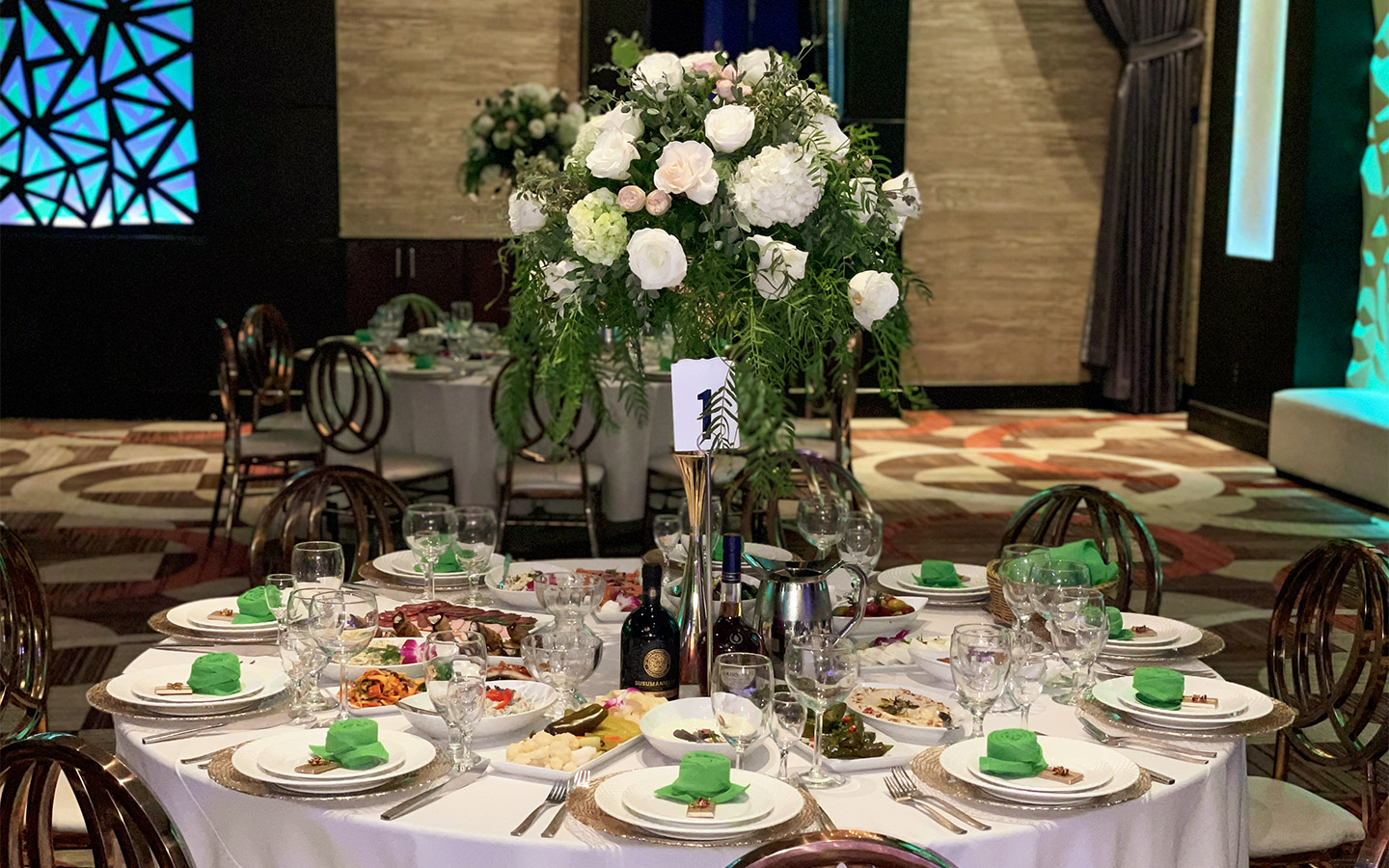
Table Service at Fabrizio Dining

Choosing a Cuisine That Reflects Your Vision

Selecting the type of food you want to serve is one of the most exciting parts of planning your wedding catering service. It is also one of the most important.

Every catering provider has its own strengths. Some focus on traditional dishes, while others specialize in modern or fusion styles. Instead of trying to include everything, it is better to focus on a clear direction.

Think about what you enjoy, what your guests would appreciate, and how the food fits into your overall theme. A well-defined menu feels more intentional and leaves a stronger impression than one that tries to cover too many options.

Planning for Guest Count and Portions

Another essential factor in choosing a catering service is understanding your guest count.

The number of guests directly impacts how much food is needed, how it will be served, and how the service will be managed. One of the worst situations at any event is running out of food, which is why proper planning is critical.

It is always better to prepare slightly more than necessary. This ensures that every guest is served comfortably and avoids unnecessary stress during the event.

A professional catering team will help you estimate portions based on your guest list and service style, making sure everything runs smoothly.

Keeping Timing and Coordination in Mind

Even the best food can lose its impact if it is not served at the right time. Timing is a key part of the overall experience.

Guests expect a natural flow. If food is delayed, energy levels drop. If service feels rushed, the experience becomes chaotic.

This is why coordination between your catering team and venue is so important. When both work together, the entire event feels seamless.

Choosing a setup where catering is already aligned with the venue can make this process much easier and more reliable.

Deciding Between In-House Catering and External Services

One of the most important decisions you will make is whether to go with in-house catering or hire an external vendor. Both options can work well, but the right choice depends on your priorities, budget, and how much control you want over the details.

In-house catering is usually the more convenient option. Since the team already works within the venue, they understand the layout, timing, and coordination required to run everything smoothly. This often results in fewer delays and better communication during the event.

Another advantage is simplicity. When your catering and venue are managed together, you avoid dealing with multiple vendors. Everything is handled in one place, which reduces stress and keeps the planning process more organized.

On the other hand, external catering services offer variety. If you have a very specific cuisine or a unique menu in mind, an outside vendor may give you more flexibility. Some catering companies specialize in particular styles of food, which can help you create a more customized experience.

However, working with an external team requires more coordination. They need to understand the venue layout, timing, and service expectations, which can sometimes create additional challenges if not managed properly.

Understanding What Matters More: Convenience or Customization

Choosing between these options often comes down to what matters more to you. If your priority is a smooth and stress-free experience, in-house catering is usually the better choice.

If your focus is on having complete control over the menu and exploring unique cuisine options, an external vendor may be worth considering.

Many couples find that a well-coordinated setup, where food and service are already aligned with the venue, provides a better overall experience. When everything works together naturally, it reduces the chances of last-minute issues.

This is especially noticeable in spaces that are designed to handle both setup and service efficiently, such as a venue that supports full event coordination.

Customizing Your Menu Without Overcomplicating It

Once you decide on your catering approach, the next step is building your menu. This is where many couples start to feel overwhelmed, but it does not have to be complicated.

The key is to keep your menu balanced and clear. Instead of trying to include too many options, focus on creating a selection that feels complete.

A well-structured menu usually includes:

  • A light starter or appetizer
  • A main course with balanced options
  • A simple but satisfying dessert

Think about variety, but also think about consistency. The dishes should complement each other rather than feel unrelated.

For example, if your menu includes heavier items, balancing them with lighter options helps create a better overall experience. This ensures that guests feel comfortable and satisfied throughout the event.

Considering Dietary Preferences and Guest Comfort

Another important factor when planning your wedding catering service is accommodating different dietary needs.

Your guest list may include people with specific preferences or restrictions. While it is not necessary to cover every possibility, offering a few flexible options can make a big difference.

Including vegetarian or lighter dishes ensures that more guests can enjoy the meal. It also shows attention to detail, which contributes to the overall experience.

When your catering is planned thoughtfully, guests feel considered and cared for, which enhances the atmosphere of the event.

Managing Your Budget Without Sacrificing Quality

Budget plays a significant role in every wedding decision, and catering is no exception. However, saving money should not mean compromising the experience.

Instead of focusing only on cost, focus on value. A slightly higher investment in a well-organized catering service can prevent issues that might affect the entire event.

There are also ways to manage costs without reducing quality. Simplifying your menu, choosing seasonal ingredients, and avoiding unnecessary extras can help keep your budget under control.

Couples who choose a coordinated setup where catering is already part of the service often find it easier to manage expenses while maintaining a high standard.

The Importance of Communication With Your Catering Team

Clear communication is one of the most important aspects of planning your catering service.

Your catering team should understand:

  • Your event timeline
  • Your menu preferences
  • Your expectations for service

The more clearly you communicate your vision, the easier it becomes for them to deliver exactly what you want.

Do not hesitate to ask questions, request adjustments, or clarify details. This is your event, and making sure everything is aligned early will save you from unnecessary stress later.

Why Coordination Between Catering and Venue Matters

Even the best catering service can face challenges if it is not properly aligned with the venue.

Timing, table arrangements, and service flow all depend on how well these two elements work together. When coordination is strong, everything feels smooth and effortless.

This is why many couples prefer working with a setup where both elements are already connected. In a well-organized space like Fabrizio Banquet Hall, the team understands how to manage both the environment and the service, creating a more seamless experience.

Why a Tasting Session Is Not Optional

Once your menu is planned, one of the most important steps is scheduling a tasting session. This is not just a formality, it is your chance to experience exactly what your guests will be served.

A tasting allows you to evaluate:

  • Flavor and quality
  • Presentation
  • Portion sizes
  • Overall balance of the menu

Sometimes a dish that sounds perfect on paper may not deliver the same experience when served. This is why seeing and tasting everything beforehand is essential.

It also gives you the opportunity to make adjustments. You can refine the menu, request changes, or replace items that do not meet your expectations. This step ensures that nothing feels uncertain on your wedding day.

Paying Attention to Presentation and Detail

Food is not only about taste. Presentation plays a major role in how guests perceive the experience.

Well-presented dishes immediately feel more refined. Even simple meals can look premium when they are arranged properly. On the other hand, poorly presented food can reduce the overall impact, no matter how good it tastes.

During your tasting session, pay attention to how dishes are served. Look at plating, colors, and how everything fits into your overall theme.

When catering is handled in a coordinated setup, presentation often becomes more consistent. This is because the team understands how to align food service with the environment, creating a more polished result.

Learning From Real Experiences

One of the smartest ways to choose a wedding catering service is by learning from others. If you have attended events where the food stood out, those experiences can guide your decision.

Ask friends or family about catering services they have used. Honest feedback can save you time and help you avoid unnecessary risks.

Recommendations often provide insights that you may not find during initial research. They give you a clearer idea of what to expect in terms of quality, service, and reliability.

Avoiding Common Catering Mistakes

Even with good planning, there are a few common mistakes that can affect your catering experience.

One of the biggest mistakes is overcomplicating the menu. Trying to include too many dishes can lead to inconsistency and confusion. A focused menu is always more effective than an overloaded one.

Another issue is ignoring timing. If food is not served when guests expect it, the energy of the event can drop. Proper coordination ensures that everything flows naturally.

Underestimating portions is another common problem. Running out of food creates unnecessary stress and leaves a negative impression. It is always better to plan slightly more than needed.

Finally, poor communication can lead to misunderstandings. Clear discussions with your catering team prevent issues and ensure that your expectations are met.

Birthday Party Venue in Las Vegas

Creating a Complete Experience, Not Just a Meal

A great wedding catering service does more than provide food. It contributes to the overall atmosphere of your event.

When everything is aligned, from the timing of service to the presentation of dishes, the experience feels smooth and enjoyable. Guests do not notice individual details, they notice how everything comes together.

This is why coordination between your venue and catering team matters so much. When both are working in sync, the result feels effortless.

Choosing a setup where both elements are already connected, such as a well-managed event space, can make a significant difference in how your event is experienced.

Make the Right Choice for a Stress-Free Wedding

Planning a wedding involves many decisions, but your catering service is one of the few that directly affects every guest.

Making the right choice means thinking beyond the menu. It means considering how the service will run, how it will fit into your event, and how it will contribute to the overall experience.

When everything is planned carefully, your guests feel comfortable, your event flows smoothly, and you can focus on enjoying your celebration.

Family Style Dining

Why the Right Venue and Catering Setup Makes All the Difference

No matter how good your menu is, the environment where it is served plays a major role in how it is experienced.

That is where Fabrizio Banquet Hall truly stands out.

Instead of managing multiple vendors and dealing with unnecessary complications, you get a space where everything is designed to work together. From layout to service coordination, every detail is handled with precision.

If you are looking for a place that offers both elegance and efficiency, choosing a wedding venue that supports your entire event setup can simplify the process significantly.

For couples who want everything managed in one place, an all-inclusive option provides a complete experience without added stress.

And when it comes to food, having access to catering that is already aligned with the venue ensures consistency, quality, and smooth service from start to finish.

At the end of the day, the difference is not just in what you serve. It is in how everything comes together.

Choosing the right place means your wedding does not just look organized, it feels effortless. And that is what truly creates a memorable experience for both you and your guests.

Smart Ways to Use Thrift Store Wedding Decor for a Stunning Reception

Thrift store wedding decor is one of the most practical ways to design a wedding that feels personal, creative, and visually impressive without overspending. Many couples assume that creating an elegant reception requires expensive rentals and custom-made pieces, but that is not always the case. With the right approach, secondhand items can look just as refined and often far more unique.

What makes this approach even more appealing is the flexibility it offers. Instead of being limited to pre-designed packages, you can build your decor piece by piece, selecting items that reflect your personality and overall theme. From vintage glassware to decorative accents, thrift stores provide variety that is difficult to replicate elsewhere.

When combined with a thoughtfully designed setting, these details can come together beautifully. If you are exploring a space that allows creative freedom, choosing a well-designed indoor wedding setting can make a noticeable difference in how your decor is presented.

Before you begin collecting items, it is important to understand that thrifting without a clear direction can quickly become overwhelming. The goal is not to buy more, but to choose better.

Start With a Clear Vision

Walking into a thrift store without a plan is one of the easiest ways to lose focus. These spaces are filled with random items, and without direction, it becomes difficult to decide what actually fits your wedding.

Before you visit any store, define your overall style. Think about your color palette, the atmosphere you want to create, and how formal or relaxed you want your reception to feel. Once that is clear, create a list of items you need.

This might include:

  • Table decor elements
  • Centerpiece materials
  • Frames for signage
  • Candle holders
  • Fabric pieces such as runners or linens

Having a list turns your visit into a focused process rather than a guessing game. It helps you stay consistent and ensures that every item you pick contributes to a cohesive look.

If your event is taking place in a flexible and elegant space like Fabrizio Banquet Hall, this level of planning becomes even more valuable because the environment allows your decor choices to stand out.

How to Make Thrifted Decor Look Intentional

The difference between random items and well-designed decor comes down to how they are combined. Not everything you find will look perfect on its own, but that does not mean it cannot become part of something refined.

The key is to look for connections between items. This could be a shared color tone, a similar texture, or a consistent material. Even if the pieces are different, they should feel like they belong together.

For example, a collection of different vases can look cohesive if they share a similar finish or color range. The same applies to frames, candle holders, and table accents.

When placed inside a clean and thoughtfully arranged event space designed for stylish celebrations, these combinations become even more effective. The simplicity of the environment allows your decor to stand out without distraction.

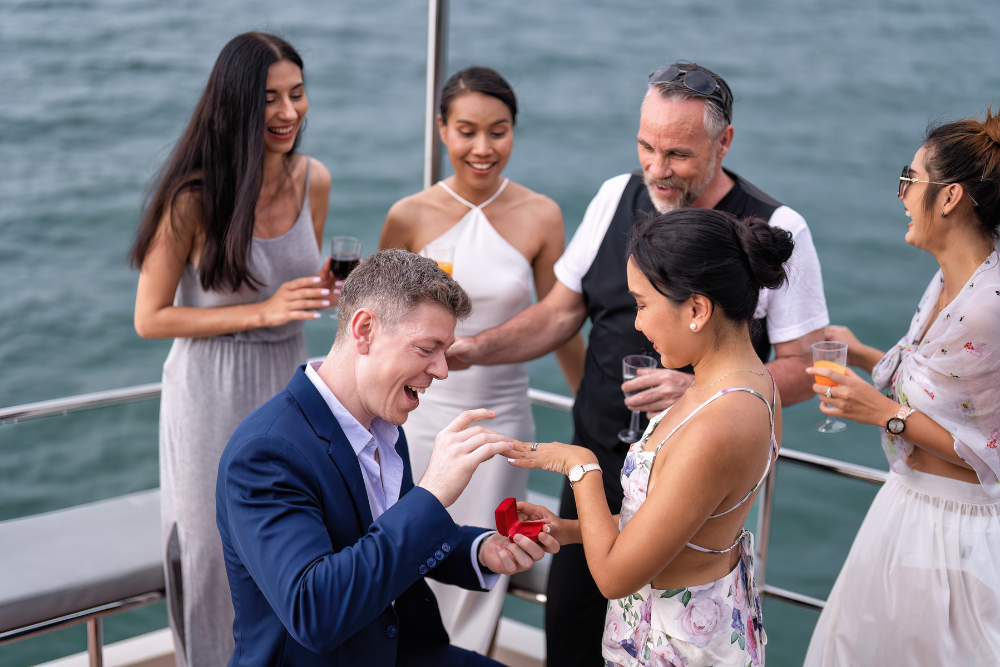
Couple reviewing plans together after getting engaged, discussing what to do after getting engaged calmly and intentionally.

What to Look for While Thrifting

Not everything in a thrift store is useful for wedding decor, but certain items consistently offer great value and versatility.

Glass vases are one of the easiest finds and can be used in many ways, from centerpieces to candle arrangements. Frames are another strong option, perfect for signage, menus, or seating displays.

Candlesticks and holders add height and elegance to your tables, while fabrics such as lace or neutral linens can be used to soften the overall look of your setup.

Smaller decorative items like trays, baskets, or bowls can also be repurposed creatively. These pieces often become the details that make your decor feel complete rather than basic.

Why the Venue Still Matters

Even the best thrift store wedding decor needs the right environment to truly stand out. A well-structured venue provides the foundation that allows your design choices to feel intentional.

If the space feels cluttered, your decor will struggle to make an impact. But in a clean and adaptable setting, every detail becomes more noticeable.

Couples who choose venues that bring everything together in one place often find it easier to integrate thrifted elements because the layout, lighting, and overall design already support their vision.

Take Your Time Building Your Collection

One of the biggest advantages of thrift store wedding decor is also something that requires patience. You are unlikely to find everything you need in a single visit.

Instead, treat it as a process. Visit different stores, check regularly, and allow your collection to grow over time. This approach helps you find better pieces and avoids the need to settle for items that do not fully match your vision.

As you gather items, you will also begin to see how they work together. This naturally improves your design decisions and helps you create a more cohesive setup.

Wedding planners reviewing details and discussing important items from the wedding venue checklist.

Turning Simple Finds Into Wedding-Ready Pieces

Finding items is only the first step. What truly transforms thrift store wedding decor is how you refine and present it. Most secondhand pieces are not designed for weddings, but with a little creativity, they can easily feel like they belong in a high-end setup.

One of the most effective ways to achieve this is through consistency. Even if your items come from different places, creating a unified look makes everything feel intentional. This is where small adjustments can make a big difference.

Paint, polish, and subtle modifications can completely change the appearance of an item. A collection of mismatched vases can instantly look cohesive when finished in a single tone. Frames with different styles can feel coordinated when they share the same color palette.

These simple changes allow you to take control of your design rather than being limited by what you find.

Using Color to Bring Everything Together

Color plays a major role in how your decor is perceived. Without a clear color direction, even beautiful items can feel disconnected.

Start by identifying two or three main tones that define your wedding. These could be soft neutrals, warm metallics, or subtle pastels. Once you have that foundation, use it as a guide when selecting or updating your decor.

For example, if your theme leans toward warm tones, adding gold or soft beige finishes can instantly elevate thrifted items. If you prefer a clean and modern look, neutral whites and muted shades can create a calm and refined atmosphere.

When your decor aligns with your color palette, everything feels more polished without requiring expensive materials.

Creating Centerpieces That Feel Designed, Not Random

One of the biggest advantages of thrift store wedding decor is the freedom to create centerpieces that are completely unique. Instead of relying on standard arrangements, you can design something that reflects your style.

The key is balance. A centerpiece should feel complete without overwhelming the table. Combining elements such as vases, candles, and small decorative accents allows you to build layers without making the setup feel crowded.

For example, pairing a simple vase with a candle and a subtle decorative base can create a clean yet elegant arrangement. The goal is to create a composition that feels intentional rather than accidental.

When these designs are placed in a thoughtfully arranged space designed for memorable gatherings, the impact becomes even stronger. The environment supports your decor instead of competing with it.

Mixing Styles Without Losing Cohesion

One of the most common concerns with thrift store wedding decor is that items may not match perfectly. However, this can actually become one of your strengths if handled correctly.

Mixing styles works when there is a common thread connecting everything. This could be color, material, or overall tone. For example, combining vintage elements with modern accents can create a layered and interesting look when done thoughtfully.

Instead of trying to make everything identical, focus on creating harmony. This approach makes your decor feel more dynamic and less predictable.

Adding Height and Depth to Your Tables

Flat table designs often feel incomplete. Adding variation in height can completely change how your reception looks.

Using a mix of tall and low elements creates visual movement. Candlesticks, elevated vases, and layered arrangements draw the eye upward and make the space feel more dynamic.

This technique is especially effective in larger receptions where multiple tables are visible at once. It prevents the setup from feeling repetitive and keeps the room visually engaging.

Incorporating Functional Decor Elements

Decor does not always have to be purely visual. Some of the most memorable setups include elements that serve a purpose.

For example, decorative trays can be used for small treats, while unique containers can hold favors or table essentials. This adds a layer of interaction to your decor and makes the experience more engaging for guests.

When paired with thoughtfully prepared catering options that match your event style, these details feel seamless. Presentation and functionality work together, creating a more complete experience.

Filling the Gaps Without Breaking Your Theme

Even with careful planning, there may be items you cannot find through thrifting. Instead of compromising your design, it is better to fill these gaps thoughtfully.

You can combine thrifted items with a few carefully selected pieces that match your style. The goal is not to replace your approach but to support it.

Blending different sources allows you to maintain consistency while still benefiting from the uniqueness of thrifted decor.

Borrowing and Repurposing for Smarter Planning

Another way to enhance your setup is by borrowing items from friends or family. Many people have decor from past events that is no longer in use but still in excellent condition.

This can include linens, decorative pieces, or even larger elements such as arches or display stands. Incorporating these items helps you expand your options without increasing your budget.

Repurposing is another effective strategy. Items used during the ceremony can often be reused during the reception, reducing the need for additional decor while maintaining consistency.

Letting the Space Work With Your Decor

No matter how creative your decor is, the venue still plays a major role in how everything comes together.

A clean and adaptable environment allows your design choices to stand out. Instead of competing with the space, your decor becomes part of a larger, cohesive experience.

Couples who choose a refined venue like Fabrizio Banquet Hall often find that their decor requires fewer adjustments because the space already supports their vision.

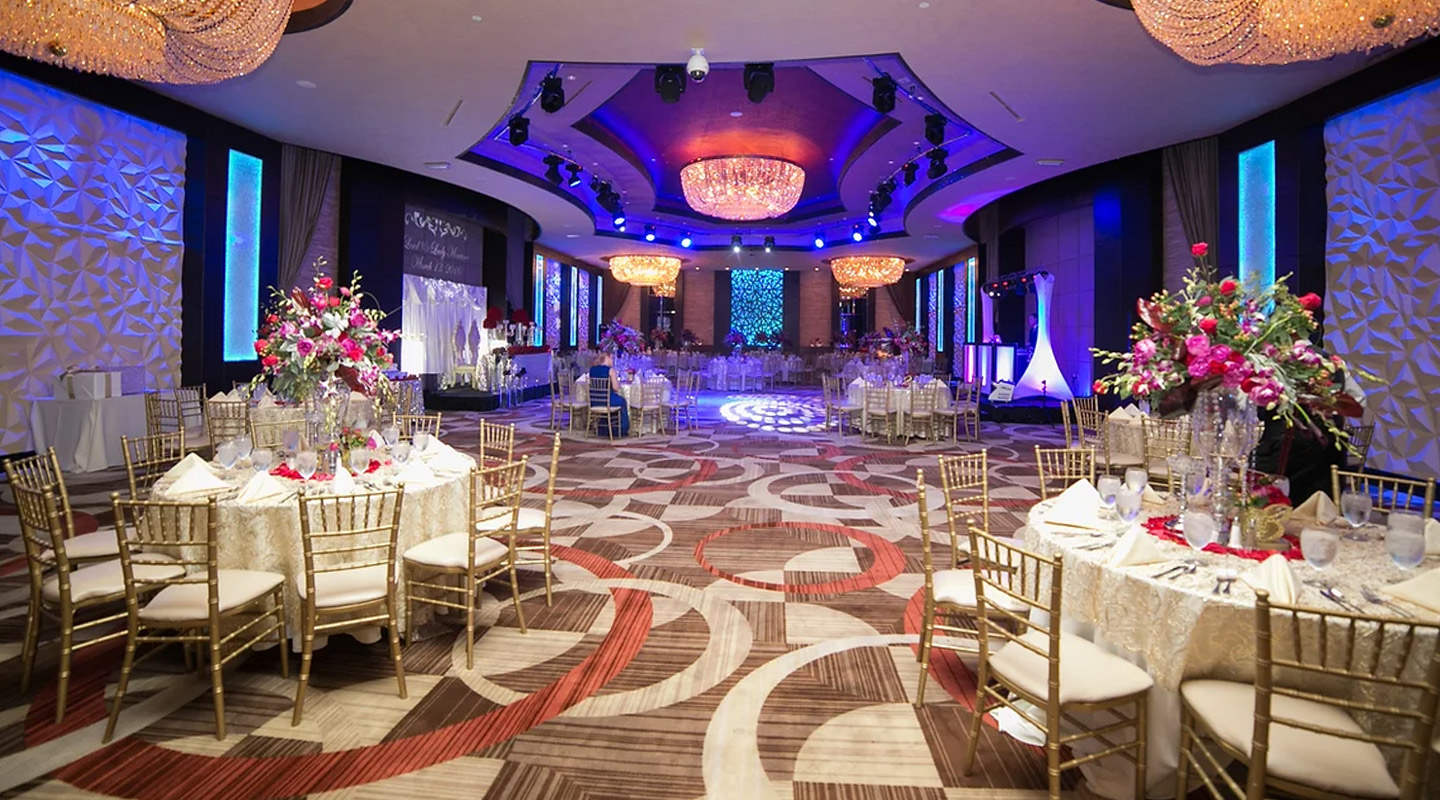
Fabrizio Banquet Hall - All Inclusive Wedding Venue

Common Mistakes to Avoid When Using Thrift Store Wedding Decor

While thrift store wedding decor offers flexibility and creativity, there are a few common mistakes that can prevent your setup from looking polished. Avoiding these early can make a noticeable difference in your final result.

One of the biggest issues is overbuying. It is easy to get excited and purchase items that seem interesting but do not actually fit your theme. This leads to clutter rather than a cohesive design. Every item you choose should serve a purpose and align with your overall vision.

Another mistake is ignoring quality. While thrifted items are affordable, not everything is worth using. Scratches, stains, or damaged pieces can reduce the overall look of your decor if not handled carefully. Always inspect items before adding them to your collection.

Lack of consistency is another common challenge. Mixing too many unrelated styles can make the setup feel disconnected. Instead, focus on creating a visual link between your pieces, whether through color, material, or overall tone.

How to Balance Budget and Elegance

One of the main reasons couples explore thrift store wedding decor is to reduce costs. However, saving money should not come at the expense of the overall experience.

The key is balance. Not every element needs to be thrifted. By combining secondhand finds with a few carefully chosen additions, you can maintain a refined look while staying within budget.

For example, investing in quality lighting or a well-arranged layout can elevate even the simplest decor. When your foundation is strong, your thrifted pieces naturally feel more polished.

This is why choosing a venue that already provides a clean and well-structured environment is so important. A thoughtfully arranged indoor setting designed for elegant celebrations allows your decor to stand out without requiring excessive adjustments.

Making Your Decor Feel Personal Without Overcomplicating It

Personalization is one of the biggest advantages of using thrifted items. It allows you to create a space that reflects your story rather than following a generic template.

However, it is important to keep this balanced. Adding too many personal elements can make the design feel busy instead of meaningful.

Focus on subtle details that connect with your theme. This could include specific color choices, small decorative accents, or unique arrangements that reflect your style.

The goal is not to impress with quantity but to create a setting that feels intentional and comfortable.

Creating a Smooth Flow Across the Entire Venue

A well-designed wedding does not rely on individual elements alone. It depends on how everything flows together.

Your entrance, seating area, tables, and overall layout should feel connected. This is where your decor choices need to work as part of a larger system rather than separate pieces.

Using consistent tones, repeating certain materials, and maintaining a clear style across different areas helps create this flow. Guests may not consciously notice it, but they will feel the difference.

When your decor is supported by a venue that naturally complements your vision, everything feels more complete. Couples who choose a space like Fabrizio Banquet Hall often find it easier to achieve this level of consistency.

Why Simplicity Often Creates the Strongest Impact

It is easy to assume that more decor leads to a better result, but this is not always true. In many cases, simplicity creates a stronger and more refined impression.

When tables are overcrowded, important details get lost. A clean and balanced arrangement allows each element to stand out.

This approach also makes your entire reception feel more organized and visually appealing. Instead of trying to fill every space, focus on placing the right elements in the right places.

Letting Lighting Complete the Look

Lighting is often overlooked, but it plays a major role in how your decor is perceived. Even simple thrifted items can look elevated when they are presented under the right lighting conditions.

Soft lighting creates warmth, while brighter setups can highlight details more clearly. Understanding how lighting interacts with your decor helps you make better design decisions.

When your decor and lighting work together, the entire space feels more intentional and inviting.

Create Your Perfect Wedding Setting With the Right Venue

Designing your wedding decor is important, but the space you choose is what truly brings everything together. Even the most creative ideas need the right environment to look complete, organized, and impactful.

That is where Fabrizio Banquet Hall stands out.

From the moment you start planning, having a venue that understands both design and execution makes the entire process easier. Instead of trying to adjust your decor to fit the space, you get a setting that naturally enhances every detail.

If you are searching for a place that offers elegance, flexibility, and a layout that supports your vision, this beautifully designed wedding setting gives you the freedom to create exactly what you have in mind.

For couples who want everything handled smoothly, choosing a complete wedding experience in one place removes unnecessary stress and keeps every detail aligned.

And when presentation matters just as much as taste, having access to professional catering that matches your event style ensures your reception feels polished from start to finish.

At the end of the day, the difference is not just in the decor. It is in how everything comes together. With the right venue, your ideas do not just look good, they feel complete.

If you want a wedding that stands out for all the right reasons, choosing the right space is the first and most important step.

10 Wedding Centerpiece Ideas That Elevate Your Banquet Hall

Wedding centerpiece ideas do far more than decorate a table. They quietly define the entire atmosphere of your reception. The moment guests walk into the room, before they notice the music or even greet anyone, their attention is drawn to the way the space feels. That feeling is built through details, and centerpieces are at the center of it all.

A thoughtfully designed centerpiece connects everything. It ties your theme together, enhances the beauty of the venue, and creates a visual rhythm across the entire space. In a well-designed indoor setting, even the smallest details become noticeable, which is why your centerpiece choices deserve more attention than most people initially give them.

When you’re planning your reception in a refined indoor space, every element becomes part of the experience. From lighting to table arrangements, everything works together. If you’re exploring options for a beautifully designed wedding venue in Las Vegas, your centerpiece decisions become even more impactful because the environment naturally highlights them.

Working with a flexible and elegant space like Fabrizio Banquet Hall allows you to experiment with different styles while maintaining a polished and cohesive look.

Now let’s explore centerpiece ideas that actually elevate your reception instead of simply filling space.

1. Candle Wedding Centerpiece Ideas That Build a Warm Atmosphere

There is a reason candle-based wedding centerpiece ideas remain timeless. They create an immediate sense of warmth and intimacy that no other element can replicate.

Instead of using a single candle, layering multiple candles at different heights creates depth. Glass holders, floating candles, and pillar candles can all be combined to form a soft, glowing arrangement.

In a well-designed event space in Las Vegas, this type of lighting enhances the room naturally. As the evening progresses, the glow becomes part of the experience, making the reception feel more inviting without overwhelming the overall design.

2. Floral Wedding Centerpiece Ideas That Feel Intentional

Floral arrangements are classic, but the way they are designed makes all the difference. Instead of traditional rounded bouquets, modern weddings are shifting toward structured floral designs that feel more intentional.

Think of arrangements that vary in shape, height, and texture. These designs feel less predictable and more curated, turning each table into a visual feature rather than just a place to sit.

When paired with an elegant indoor venue, floral centerpieces can enhance the overall atmosphere without competing with the space itself.

Engaged couple reflecting on priorities to guide wedding planning decisions

3. Minimalist Wedding Centerpiece Ideas for a Clean Look

Sometimes the most powerful designs are the simplest ones. Minimalist wedding centerpiece ideas focus on clean lines, subtle greenery, and balanced arrangements.

This approach creates a calm and refined environment. Instead of overwhelming the table, it allows each element to breathe. It also ensures that the venue remains a key part of the visual experience rather than being overshadowed by excessive decoration.

Minimalism works especially well for couples who want elegance without complexity.

4. Glass and Metallic Wedding Centerpiece Ideas for a Modern Style

For a more contemporary feel, combining glass and metallic elements creates a sleek and polished look.

Reflective surfaces interact beautifully with lighting, adding dimension and movement to your tables. This creates a dynamic effect that evolves throughout the event.

In modern banquet settings, this style enhances the space without requiring elaborate arrangements, making it both practical and visually impactful.

5. Statement Wedding Centerpiece Ideas That Define the Space

In larger receptions, smaller centerpieces can feel lost. Statement wedding centerpiece ideas solve this by creating a strong focal point on each table.

Tall arrangements or bold designs draw the eye upward and help organize the visual layout of the room. This makes the entire space feel more intentional and balanced.

When done correctly, statement pieces add a sense of scale and elegance that guests immediately notice.

Couple building a wedding planning priority list to align decisions and reduce planning stress

6. Functional Wedding Centerpiece Ideas That Add Value

Modern weddings are increasingly focused on experience. Functional wedding centerpiece ideas go beyond decoration and offer something interactive.

This could include small appetizer displays or creative setups that guests can engage with. These designs not only look good but also add an extra layer of enjoyment to the reception.

When coordinated with professional food catering in Las Vegas, the result feels seamless. Presentation and experience come together naturally.

7. Textured Wedding Centerpiece Ideas That Feel Complete

Texture is one of the most overlooked elements in wedding design. Combining materials such as wood, glass, fabric, and metal creates a layered and complete look.

These wedding centerpiece ideas do not rely on bold colors. Instead, they create interest through contrast and detail. This makes the tables feel more refined without appearing overly complex.

Guests may not consciously notice the textures, but they will feel the difference in how polished everything looks.

Reviewing a wedding planning priority list to define what matters most before making decisions

8. Nature-Inspired Wedding Centerpiece Ideas with Elegance

Bringing natural elements into your reception can create a refreshing atmosphere, but it needs to be done thoughtfully.

Instead of raw materials, choose refined versions that maintain elegance. Styled branches, curated greenery, and subtle organic details can bring a sense of nature indoors without losing sophistication.

This balance ensures that your decor feels intentional rather than unfinished.

9. Mixed Height Wedding Centerpiece Ideas for Visual Flow

Uniform designs can sometimes make a room feel flat. Mixed height wedding centerpiece ideas introduce variation that creates movement across the space.

By combining tall and low elements, you guide the eye naturally from one table to another. This keeps the room visually engaging and prevents repetition.

This technique is especially effective in banquet halls where multiple tables are visible at once..

Event Space In Las Vegas NV

10. Personalized Wedding Centerpiece Ideas That Tell Your Story

Some of the most memorable wedding centerpiece ideas are the ones that reflect your personal story.

Adding subtle elements that represent your journey as a couple creates a deeper connection between your decor and your celebration. These details do not need to be obvious to be meaningful.

Even small touches can make your reception feel unique and intentional.

How to Choose the Right Wedding Centerpiece Ideas

Choosing the right centerpiece is not about following trends. It is about understanding your space and designing around it.

If you are considering an all-inclusive wedding venue in Las Vegas, many of these elements are already designed to work together. This makes the planning process smoother and ensures consistency across your event.

The goal is balance. Your centerpieces should enhance your venue, not compete with it.

Final Thoughts

Wedding centerpiece ideas play a much bigger role than most people expect. They influence how your reception looks, how it feels, and how it is remembered.

The right design does not need to be complicated. It needs to be intentional and aligned with your space.

If you are planning your event and want a venue that allows every detail to come together effortlessly, Fabrizio Banquet Hall offers a setting where your ideas can truly stand out.

Take your time, focus on what fits your vision, and create a reception that feels complete from the very first moment your guests walk in.

Wedding Planning Priority List: How Couples Decide What Truly Matters

Wedding planning doesn’t become stressful because there are too many tasks. It becomes stressful because couples are asked to make dozens of decisions without a clear way to evaluate them. When every choice feels important, and every opinion feels urgent, even small decisions can turn into long, draining discussions.

A wedding planning priority list is a decision-making framework couples create together to guide those choices. It’s not a to-do list, and it’s not a timeline. Instead, it defines what outcomes matter most to you as a couple, so every decision can be weighed against them. Think of it as a filter you use before saying yes, no, or maybe to any option.

Rather than listing vendors or décor ideas, a wedding planning priority list outlines what you want to protect throughout the planning process, such as guest experience, atmosphere, budget comfort, timing, or meaningful traditions. When these priorities are clearly defined, decisions shift from emotional reactions to intentional choices made together.

Engaged couple reflecting on priorities to guide wedding planning decisions

Why Couples Struggle With Wedding Decisions

Most couples don’t struggle with wedding decisions because they want different weddings. They struggle because they’re making decisions without a shared way to judge them. One partner may place high importance on guest comfort and flow, while the other focuses on atmosphere, timing, or visual impact. When these priorities aren’t clearly defined, differences don’t feel practical, they feel personal.

The challenge grows as planning progresses. Wedding decisions don’t arrive one at a time; they stack. Each choice connects to another, and without clarity, couples are forced to re-evaluate everything repeatedly. This is often when frustration appears; not because the decision itself is difficult, but because there’s no agreed-upon standard guiding it.

Without a clear framework, couples commonly find themselves:

  • Spending excessive time debating minor choices
  • Feeling pulled in different directions by family or outside opinions
  • Revisiting decisions after they’re made and questioning them

Over time, this pattern can drain energy and confidence. What should feel collaborative starts to feel tense or exhausting.

A wedding planning priority list prevents this by creating alignment before pressure builds. It gives couples shared language to explain why a decision matters and shared direction for how choices should be evaluated. Instead of negotiating every option from scratch, couples return to their priorities, making decision-making feel cooperative, focused, and far less emotional.

What a Wedding Planning Priority List Is (and What It Isn’t)

A wedding planning priority list is not a task list. It’s not a timeline, and it’s not a budget spreadsheet. It’s a short, intentional set of priorities that defines what outcomes matter most to you as a couple.

A strong priority list answers questions like:

  • What should this wedding feel like for us?
  • What do we want guests to experience?
  • Where are we willing to be flexible?
  • What do we want to protect, even if tradeoffs are required?

By defining these answers early, couples stop reacting emotionally to each decision and start evaluating choices logically.

Start With Values Before Logistics

Before writing anything down or comparing options, couples need to talk about values. This isn’t about décor, vendors, or trends. It’s about defining what success actually looks like for you as a couple. When values are clear, decisions feel grounded. When they’re not, planning quickly becomes reactive.

Values show up in subtle but powerful ways. Some couples feel calm when there’s structure, clear timelines, and a defined plan. Others feel energized by flexibility, creativity, and moments that feel spontaneous. Some couples place high importance on hosting and guest comfort, while others focus on the emotional experience of the day itself. Timing can also be a value: work schedules, family availability, or life milestones often influence how flexible or fixed plans need to be.

These differences don’t create problems on their own. Problems arise when they’re not acknowledged early. Without these conversations, couples may talk past each other, debating logistics while actually disagreeing on what matters underneath. That’s when decisions feel heavier than they should.

A meaningful wedding planning priority list grows directly out of these value-based conversations. When you understand what you’re protecting, whether that’s ease, atmosphere, connection, or balance, your priorities become specific instead of generic. Decisions stop being about preferences in the moment and start reflecting a shared definition of what you’re building together.

The Core Areas Most Priority Lists Include

While every couple is different, most wedding planning priorities fall into a few consistent areas. These aren’t boxes you’re required to check. They’re decision drivers. The goal isn’t to rank everything equally, but to identify which areas should guide your choices when tradeoffs come up.

Most couples find their priorities live within these core areas:

  • Guest experience and comfort
    This priority focuses on how guests move through the event and how they feel while they’re there. Couples who value this tend to make decisions that support ease, flow, seating comfort, timing, and overall experience from arrival to the end of the night.
  • Venue atmosphere and flow
    For some couples, the look and feel of the space sets the tone for everything else. This priority influences indoor versus outdoor decisions, room layout, lighting, transitions between moments, and how cohesive the event feels as a whole.
  • Budget comfort and spending balance
    This isn’t about spending less; it’s about spending with intention. Couples who define this priority early are clearer about where money matters most and where flexibility exists, which makes financial decisions easier later.
  • Timing, season, or scheduling limits
    Work schedules, family availability, and life milestones often shape how flexible planning can be. When timing is a priority, decisions are made around realistic dates and seasons rather than idealized ones.
  • Cultural or family elements that truly matter
    These priorities reflect traditions or expectations that feel meaningful to the couple, not obligations driven by pressure. Defining this early helps couples honor what’s important without overcommitting.

Your list doesn’t need to include every category, and it shouldn’t treat them all the same. In fact, shorter priority lists work better. When everything is labeled a top priority, decision-making becomes unclear. Clear priorities create focus by showing what should lead and what can adapt as planning moves forward.

Couple building a wedding planning priority list to align decisions and reduce planning stress

Turning Priorities Into a Wedding Priority Checklist

Once values are clear, couples can translate them into a wedding priority checklist. This checklist isn’t about tasks; it’s about guardrails.

Many couples organize their checklist into three levels:

Non-Negotiable Priorities

These are the priorities that define the success of your wedding. If a decision compromises one of these, it’s a no. Non-negotiable priorities reflect what you’re unwilling to give up, even when tradeoffs are required.

This category usually includes elements tied to core values, comfort, or logistics that must work for the day to feel right. For some couples, that might mean guest comfort, a specific season, or staying within a firm budget range. For others, it could involve meaningful traditions or accessibility needs.

Non-negotiables should be few. When too many items fall into this category, decision-making becomes rigid instead of clear.

Important but Flexible Preferences

This category includes elements that matter, but don’t need to be perfect to feel satisfied. These preferences influence decisions, but they can adjust based on availability, cost, or practicality.

Couples often place things like décor style, menu options, or specific layout preferences here. These choices still guide planning, but they’re open to compromise if another priority, such as budget or timing, needs to take the lead.

This category is where most healthy tradeoffs happen. It allows couples to adapt without feeling like they’re sacrificing what truly matters.

Nice-to-Have Elements

Nice-to-have elements add personality and enjoyment, but they aren’t essential to the overall experience. If they fit easily into the plan, great. If not, the wedding still feels complete without them.

These might include specific upgrades, design extras, or ideas inspired by trends. Keeping them in this category helps couples avoid overloading the plan or feeling disappointed if something doesn’t work out.

By separating nice-to-haves from priorities, couples protect their energy and focus on what will make the day meaningful.

This structure makes tradeoffs easier. When decisions arise, couples can quickly see where flexibility exists and where it doesn’t.

Why Shared Decision Making Changes Everything

Wedding planning works best when decisions are shared, not delegated. When one partner carries the responsibility, imbalance and frustration often follow.

Shared decision making doesn’t mean agreeing on everything instantly. It means using priorities as a neutral reference point. Instead of debating opinions, couples evaluate choices against their agreed priorities.

This approach removes personal defensiveness and replaces it with teamwork. It’s one of the most effective ways to reduce conflict during planning.

How a Wedding Priorities Worksheet Helps Couples Stay Aligned

A wedding priorities worksheet makes everything visible and usable. Writing things down forces clarity. It helps couples notice differences early, before they turn into frustration or tension, and creates a shared reference point for every decision that follows.

Worksheets also help couples revisit priorities as plans evolve by tracking the changes that affect decisions. A well-built worksheet should include space to document:

  • Guest count changes, with notes on how increases or reductions affect comfort, flow, and venue options
  • Budget adjustments, including where flexibility increases or decreases as real costs become clearer
  • Availability or timing shifts, such as date changes, seasonal limits, or scheduling constraints
  • Priority re-ranking, allowing couples to confirm which items remain non-negotiable and which can adjust
  • Decision notes, capturing why a choice was made so it doesn’t need to be re-litigated later

By capturing these changes in one place, the worksheet keeps planning intentional rather than reactive. Instead of feeling like plans are constantly shifting, couples can see how decisions evolve while staying aligned with their original priorities.

Reviewing a wedding planning priority list to define what matters most before making decisions

Using Priorities to Guide Real Wedding Decisions

Once priorities are clear, decision-making becomes simpler. Couples stop asking, “Is this the right choice?” and start asking, “Does this support our priorities?”

A clear wedding planning priority list helps couples:

  • Choose venues that align with their values
  • Allocate budget with intention
  • Adjust plans without regret

Decisions feel faster and more confident because they’re grounded in purpose.

Why Venue Choice Often Reflects Your Priorities

The venue is one of the most revealing decisions couples make. It reflects how you value guest comfort, structure, atmosphere, and planning style.

Indoor, all-inclusive venues often align well with priorities around organization and consistency. Having major elements coordinated in one place supports couples who want clarity and fewer moving parts.

This is why many couples find that their wedding planning priority list becomes clearer once they begin evaluating venues.

Common Mistakes Couples Make With Priorities

Many planning issues come from a few avoidable mistakes. Keeping these in mind can save time and reduce unnecessary tension.

  • Treating family expectations as priorities
    Family input can be important, but it shouldn’t replace what you value as a couple. Priorities should reflect your shared goals, not outside pressure.
  • Making everything equally important
    When all choices are labeled top priority, it becomes hard to decide anything. Priorities work only when some items clearly lead and others can adjust.
  • Not deciding together
    Priorities only work when both partners are involved. When one person sets them alone, decisions can feel unbalanced.
  • Failing to revisit priorities
    Plans change. Guest counts, budgets, and timing evolve. If priorities aren’t revisited, decisions start to feel disconnected.

Avoiding these mistakes keeps priorities useful and decision-making clear throughout planning.

Event Space In Las Vegas NV

Plan With Purpose at Fabrizio Banquet Hall

Couples who plan with priorities feel more confident because they’re not constantly second-guessing themselves. They trust their decisions because those decisions reflect what matters most to them.

A clear wedding planning priority list supports alignment, reduces stress, and keeps planning focused on the experience you want to create, not the noise around it.

For couples who value clarity and alignment, Fabrizio Banquet Hall offers an indoor, all-inclusive setting that supports priority-driven planning. Touring a venue is often where priorities become tangible and decisions feel easier.

If you’re ready to see how your priorities translate into a celebration that feels intentional and organized, scheduling a tour is a natural next step.

Frequently Asked Questions

What should be included in a wedding planning priority list?

A wedding planning priority list should include values that guide decisions, such as guest experience, atmosphere, budget comfort, timing, and any meaningful traditions.

How does a wedding priority checklist help couples?

A wedding priority checklist helps couples make tradeoffs calmly by clarifying what is non-negotiable and where flexibility exists

Can couples have different priorities and still plan successfully?

Yes. Different priorities are common and healthy. Planning works best when couples acknowledge those differences and decide together which priorities will lead to decisions.

How do wedding priorities help when working with vendors?

Clear priorities help couples communicate expectations more effectively. When vendors understand what matters most, recommendations and decisions become more aligned and efficient.

What happens if priorities conflict with availability or pricing?

When conflicts arise, priorities help couples adjust intentionally. Instead of reacting emotionally, couples can decide what to protect and where flexibility makes sense.

What to Do After Getting Engaged: A Calm, Clear Path Forward

Getting engaged is emotional in the best way. There’s excitement, surprise, celebration, and that quiet realization that life just changed. Almost immediately, questions begin. Friends ask about dates. Family asks about venues. Inspiration appears everywhere. It’s completely normal that many couples start wondering what to do after getting engaged, before the ring even feels real.

The short answer is this: you don’t need to plan everything right away. What you do need is to slow the moment down, talk with each other, and create a sense of direction before decisions start piling up. The goal right now isn’t booking or committing, it’s getting aligned as a couple and understanding what matters most to both of you.

This early stage shapes the entire planning experience. How you approach it now determines whether planning feels steady or stressful later. Instead of rushing, this guide walks you through what to do after getting engaged with clarity and intention.

Couple celebrating their engagement on a boat, sharing a joyful moment surrounded by family and close friends.

Give Yourself Space Before Planning Begins

Before timelines and research, pause. Engagement is a transition, not a task to complete. Giving yourselves space to enjoy it helps planning feel grounded rather than rushed.

This pause can look different for every couple. Some choose a quiet dinner. Others take a short trip. Some simply decide not to talk about wedding details for a week or two. The point is allowing the moment to settle.

When people ask what do you do after you get engaged, slowing down first is often the step they don’t expect, but one that makes everything else easier.

Share the News on Your Own Terms

Announcing your engagement is exciting, and it’s often one of the first moments when planning pressure quietly begins. The joy of sharing the news can quickly turn into questions, suggestions, and expectations, vsometimes before you’ve had time to process the moment yourselves. That’s why it’s important to decide together how and when you want to share the news so the experience stays positive.

Many couples find it helpful to pause and think through a few key points before making announcements:

  • Who they want to tell first, such as immediate family or close friends
  • How public they want the engagement to be early on
  • When they feel ready to start answering wedding-related questions

There’s no correct order or timeline. Some couples prefer to share privately at first and wait before posting publicly. Others enjoy announcing it right away. Both approaches are valid. What matters is that the decision is intentional and mutual.

Setting expectations early creates space. It gives you time to enjoy being engaged without feeling rushed into decisions or explanations. This step is often overlooked when couples think about what to do after engagement, yet it plays a major role in protecting your experience and keeping early planning calm and manageable.

Start With Big-Picture Conversations

You don’t need answers yet, but you do need alignment. Before venues, dates, or details enter the picture, the most important thing you can do is talk openly about the direction you’re heading in together. These early conversations set the tone for everything that follows.

Start by discussing the overall feel you imagine for the wedding. Some couples picture a formal evening celebration, while others lean toward something relaxed and social. Neither is right or wrong, but understanding each other’s vision early helps avoid misalignment later.

Next, talk about guest size in broad terms. You don’t need a final number, just a sense of whether you’re imagining something intimate, moderate, or large. This single conversation influences venue options, timelines, and planning pace more than most couples expect.

Timing is another key topic. Instead of choosing a date, talk about a general season or year that feels realistic for both of you. This creates focus without pressure. Budget conversations at this stage should follow the same approach. Rather than exact numbers, talk about what feels comfortable and sustainable so decisions stay grounded.

These discussions aren’t about locking anything in. They’re about understanding each other and moving forward as a team. Addressing them early is one of the most important tasks after getting engaged, because it replaces uncertainty with clarity before planning truly begins.

Couple reviewing plans together after getting engaged, discussing what to do after getting engaged calmly and intentionally.

Create Structure Without Overloading Yourself

At this stage, structure helps, but long to-do lists don’t. Instead of tracking tasks, think in terms of a simple planning framework.

Most couples benefit from focusing on:

  • Celebrating the engagement
  • Sharing the news thoughtfully
  • Aligning on vision and priorities
  • Deciding on a guest range
  • Beginning venue research

This approach keeps planning focused without pressure. For couples wondering what to do after getting engaged, this framework creates momentum without overwhelm.

Why the Venue Comes First

Your venue influences almost every major decision. It shapes how many guests you can host, how the event flows, and which dates are even possible. Once the venue is chosen, many unknowns fall into place, making planning feel more organized instead of scattered.

Season plays a larger role here than many couples expect, especially when availability becomes a factor. Venue calendars often guide seasonal options more than personal preference alone, particularly for indoor spaces that are in high demand year-round.

When considering timing, the venue often determines:

  • Which seasons are realistically available for your preferred year
  • How far in advance popular seasons like fall or winter may book
  • How indoor settings provide consistency across spring, summer, fall, and winter
  • Whether weather or daylight changes will affect the experience

Indoor venues offer consistency regardless of season, which helps couples visualize the event earlier. Knowing the space allows you to picture how the day will unfold without guessing how seasonal changes might affect comfort or flow.

If you’re asking how long to plan a wedding after engagement, the answer often depends on both venue and season availability. Couples who secure their venue early, especially during high-demand seasons, typically experience smoother timelines as planning continues.

Fabrizio Banquet Hall

How All-Inclusive Venues Simplify Early Planning

All-inclusive venues reduce complexity when planning is still new. Instead of coordinating multiple vendors from the start, couples work with one team that understands the space and the event flow.

This usually means:

  • Catering coordinated in-house
  • Tables, linens, and setup planned together
  • Lighting designed for the space
  • Planning support aligned from the beginning

Understanding this option early helps couples feel confident about what to do after getting engaged without adding unnecessary decisions.

Gather Inspiration Without Feeling Overwhelmed

Inspiration should support your vision, not create pressure. Early in planning, it’s easy to save everything you see and end up feeling more confused than inspired. Instead of collecting ideas endlessly, focus on real weddings hosted in venues similar to the space you’re considering. This keeps your inspiration grounded in what’s actually possible.

When reviewing photos or videos, shift your attention away from individual décor pieces and toward the overall experience. Notice how the room feels when guests enter, how lighting changes the mood, and how the layout supports the flow of the event. Indoor venues already provide a strong visual framework, which means you don’t need to design every detail from scratch.

Many couples find it helpful to filter inspiration by:

  • Atmosphere and mood rather than trends
  • Lighting styles that fit the space
  • Layouts that match their guest size

This approach keeps inspiration focused and productive. Instead of overwhelming you with choices, it helps you clarify what you like and what truly fits your celebration.

Set Gentle Boundaries Early

Engagement brings excitement, and opinions. Setting boundaries early helps protect your time and energy while keeping relationships positive.

Boundaries don’t have to feel firm or uncomfortable. Simple responses like letting people know you’re still deciding or that details will come later are often enough. These small statements give you space to plan without pressure while signaling that decisions are being made thoughtfully.

Early boundaries often include:

  • Limiting detailed conversations until you’ve aligned as a couple
  • Avoiding commitments before you’re ready
  • Giving yourselves permission to say “not yet”

These boundaries help couples stay aligned and reduce tension during planning. They’re often missing from conversations about important tasks after getting engaged, yet they strongly influence how calm and connected the planning experience feels.

Fabrizio Banquet Hall - Gallery

Tour Venues When You Feel Ready

You don’t need a finished plan to start touring venues. Once you have a general guest range, a sense of timing, and an idea of your overall style, you’re ready. Touring too early can feel confusing, but waiting for everything to be perfect often delays progress. This middle ground is where tours become most helpful.

A venue tour isn’t just about seeing the space. It’s about understanding how the experience would come together. As you walk through, pay attention to how the room feels when you imagine it filled with guests, and how clearly the team explains the planning process.

During tours, it helps to notice:

  • How the space flows from arrival to the end of the event
  • How the team communicates and answers questions
  • How planning would work from start to finish

For many couples, this is the moment when planning starts to feel real instead of theoretical. Touring venues often replace uncertainty with reassurance by turning ideas into something tangible and easy to imagine.

Why Many Couples Begin at Fabrizio Banquet Hall

For couples planning an indoor wedding, Fabrizio Banquet Hall offers clarity at a stage when planning can still feel uncertain. The all-inclusive approach helps couples visualize their celebration early, without having to manage countless details or decisions all at once.

The layout, flow, and planning support work together to create a sense of structure from the start. Instead of guessing how everything will come together, couples can see the full picture and understand how the planning process unfolds. For those researching what to do after getting engaged, beginning with a venue like Fabrizio often replaces uncertainty with direction.

If you’re navigating the early stages of planning and want a clear, organized place to begin, Fabrizio Banquet Hall provides an indoor setting designed to make those first steps feel approachable and well-paced. Touring the space allows you to ask questions, explore options, and imagine your celebration with confidence.

Schedule a tour at Fabrizio Banquet Hall and take your first intentional step toward a wedding that feels thoughtful, organized, and true to you.

Frequently Asked Questions

How long should we wait before starting wedding planning?

Many couples begin light planning within a few weeks. This often includes conversations about vision, guest size, and timing. Starting early gives you flexibility without forcing decisions.

How long to plan a wedding after engagement?

Most weddings are planned within 12 to 18 months. Venue availability often sets the pace, which is why booking early can reduce pressure.

What are the most important tasks after getting engaged?

The most important tasks after getting engaged include celebrating the moment, aligning on priorities, setting boundaries, and beginning venue research.

Should we choose a venue or date first?

Choosing the venue first often makes planning easier. Availability usually determines dates, and the venue shapes layout and flow.

Is it too early to tour venues right after engagement?

No. Touring venues early helps couples understand options and feel confident about next steps, especially when deciding what to do after getting engaged.

Wedding Venue Checklist: 10 Must-Haves Every Couple Should Know

You walk into a ballroom, and within seconds you know: it’s either your dream venue or just another hall. That gut feeling matters, but emotions alone aren’t enough when planning the most important day of your life. The truth is, couples often fall in love with chandeliers or floor-to-ceiling drapes and forget to ask the questions that determine whether the space really works.

That’s where a wedding venue checklist comes in. It’s your safety net against costly surprises. This isn’t a boring spreadsheet; it’s a guide that helps you turn excitement into smart decisions. Below are ten must-haves to add to your checklist, explained with the kind of detail you only get from those who’ve watched weddings succeed—and sometimes struggle—because of venue choices.

Open notebook with wedding venue checklist surrounded by pink roses and greenery, symbolizing essential planning for couples.

1. Guest Capacity and Flow of the Day

Your guest list drives every venue decision. If the room is too small, dinner feels cramped, and the dance floor disappears. Too big, and your wedding can feel empty.

Picture this: A couple plans for 200 guests but books a venue meant for 150. On the big day, the DJ is forced into a corner, tables are squeezed so tight that servers can’t move, and some guests are stuck outside the main room. Nobody wants that.

Checklist questions:

  • What’s the seated capacity versus cocktail-style?
  • Is there room for extras like a dessert table, lounge, or photo booth?
  • Can they show photos of weddings with a similar guest count?

Tip: Choose a space that feels comfortable at about 80% of your guest list. For example, if you invite 200 people, look for a room that already feels lively with around 160 guests. Why? Because not everyone you invite will actually attend, and it’s better to have a space that still looks full even if some seats are empty. 

2. Location and Accessibility

Your venue should be as convenient as it is beautiful. Think beyond “how far is it from home” and ask: How will guests actually get there?

Guests flying in? Check the distance from airports and hotels. Older relatives? Ask about ramps, elevators, and accessible bathrooms. Parking is another detail couples often overlook, until they hear their guests spent 40 minutes circling for a spot. Venues that provide valet parking can make a big difference, ensuring guests arrive relaxed and ready to celebrate.

Questions to ask a wedding venue:

  • How far is it from hotels and the airport?
  • Is there free parking or valet?
  • Are there rideshare drop-off points?
  • Is the space ADA accessible?

Tip: Visit the venue at the same time of day as your wedding to see real traffic and parking conditions.

3. Style and Atmosphere

Close your eyes and imagine your first dance. Does the room match that moment? The design of your venue sets the tone for your entire day.

A space with chandeliers and uplighting might mean you can spend less on décor because the room already feels luxurious. A blank canvas might be cheaper upfront, but you’ll need to budget for draping, florals, and lighting to bring it to life.

Wedding venue questions:

  • Does the venue’s look fit our theme?
  • How much décor is already included?
  • Can we adjust the lighting or layout?

Tip: Ask to see the venue both during the day and evening. Natural light and night lighting create very different moods.

Wedding planners reviewing details and discussing important items from the wedding venue checklist.

4. Amenities and Inclusions

Venues vary widely on what’s included. Some offer tables, chairs, linens, lighting, and staff. Others provide only the space.

Knowing this early prevents budget surprises. Renting basics like tables and chairs can add thousands to your total cost if they’re not included.

Wedding reception venue checklist questions:

  • What’s included in the rental fee?
  • Do you provide linens, tableware, and décor?
  • Is staff for setup and cleanup included?

Tip: Compare packages apples-to-apples. A venue with a higher base price but more inclusions can end up costing less overall.

5. Catering and Bar Options

Long after the music fades, guests will still talk about the food and drinks at your wedding. The menu isn’t just about filling plates: it’s part of the experience you’re creating for family and friends.

Some venues provide in-house catering with set menus, while others let you bring in outside vendors. Neither option is “better” by default; it depends on your priorities. In-house catering often means less planning on your part and a smoother flow on the day, since the kitchen knows the space inside out. Outside catering may give you more freedom if you have cultural dishes or a very specific vision.

When it comes to the bar, clarity is key. Ask if the venue offers an open bar, cash bar, or packages that let you mix things up with signature cocktails. Beverage pricing is one of those details that can swing your budget up or down very quickly.

Wedding venue checklist questions:

  • Do you provide catering in-house, or can we choose our own vendor?
  • Are menu tastings included before we commit?
  • How do you handle dietary restrictions (vegan, gluten-free, allergies)?
  • What bar packages are available, and how is pricing structured?

Tip: Don’t just ask for a “per person” price, request a full breakdown that shows what’s covered (like appetizers, service, taxes, and gratuities). That way you can compare venues fairly and avoid surprise costs later.

6. Entertainment and Technology

The energy of your wedding often lives in the moments people remember most: the first dance, the best man’s toast, the music that keeps everyone on the dance floor. None of that works without the right technology behind it.

A venue with built-in speakers, intelligent lighting, and large screens saves you from scrambling to rent extra equipment or hire multiple vendors

Wedding venue checklist questions:

  • Is there a stage or designated area for the band or DJ?
  • Does the venue provide a full sound system and microphones?
  • Are there screens available for slideshows or videos?
  • Can lighting be customized to shift the mood throughout the event?

Tip: Don’t just take their word for it—ask to see a short video of an event in the space or do a quick sound check during your tour. Clear sound and good acoustics will keep your guests engaged from the first toast to the last song.

Exquisite Catering at Fabrizio Banquet Hall

7. Guest Comfort and Experience

Your wedding isn’t only about you, it’s about creating a celebration that guests will remember fondly. Small details that make people feel cared for can transform the atmosphere of the entire event.

Think about the details that keep guests comfortable: a room that isn’t too hot or cold, seating that feels inviting, and restrooms that are clean and easy to reach. If you’ll have kids or older relatives, check for things like high chairs, quiet spaces, or accessibility so everyone can enjoy the celebration.

Food and entertainment are only part of the equation; the overall comfort of your guests will decide whether they stay late, dance, and talk about your wedding for years to come.

Wedding venue checklist questions:

  • Is the room temperature adjustable for different parts of the evening?
  • Are there enough restrooms, and are they close to the main area?
  • Is the seating comfortable and set up for conversation?
  • How does the venue handle children’s or special-needs accommodations?

Tip: As you tour the venue, try to see it from a guest’s perspective. Imagine walking in, sitting down, and spending several hours there; would you feel comfortable and cared for?

8. Venue Policies and Restrictions

Every venue has rules; they may differ. Some ban outside vendors, others set noise curfews or forbid open flames. Knowing this early could avoid later surprises. 

Checklist questions:

  • Can we bring outside vendors?
  • What décor items are restricted?
  • What’s the event end time?

Tip: Always get policies in writing. It saves headaches later if questions come up.

9. Pricing and Availability

When it comes to venues, the sticker price rarely tells the whole story. Beyond the base rental fee, there can be deposits, service charges, cleaning fees, or overtime costs if the party runs late. These extras can add up quickly, so it’s important to get a full breakdown before you commit.

Availability is just as important as pricing. Popular dates (especially Saturdays in spring and fall) often book up a year or more in advance. Couples who wait too long may have to choose between a different venue or a less desirable date.

Wedding venue checklist questions:

  • What exactly is included in the rental price?
  • Are there additional charges for overtime, cleaning, or service staff?
  • How far in advance do you accept bookings?

Tip: Flexibility pays off. Many venues offer lower rates on Fridays, Sundays, or during off-season dates, and these savings can be substantial.

10. Staff and Support

Behind every smooth wedding is a strong team. Ask about coordinators, servers, and on-site managers who will help before and during the event.

Questions to ask a wedding venue:

  • Will there be a day-of coordinator?
  • How many staff will be assigned to our wedding?
  • Will they help with setup and teardown?

Tip: If possible, meet with the coordinator. A 10-minute conversation will tell you if you’ll enjoy working together.

Fabrizio Banquet Hall

The Big Picture: The Value of an All-Inclusive Venue

After reviewing this wedding venue checklist, one reality stands out: weddings are comprised of countless details. From catering to décor to staffing, every element requires coordination, and the more vendors you add, the more complicated things get.

That’s why an all-inclusive wedding venue can be such a game-changer. Instead of hiring separate companies for food, rentals, lighting, and valet parking, you work with one team that handles it all. This approach often means fewer headaches, smoother communication, and even better pricing because the essentials are bundled together.

Think of it this way: instead of spinning ten plates at once, you only need to keep your focus on one. Many couples who initially consider a “space-only” venue quickly realize that the add-on costs for rentals and outside services add up fast, and can easily exceed what an all-inclusive package would have cost them in the first place.

Choosing all-inclusive doesn’t just save money; it also saves your time and your energy, letting you enjoy the planning process instead of drowning in logistics.

Ready to Find the Venue That Checks Every Box?

Your venue is more than a location: it’s the stage for your love story. With this wedding venue checklist, you know exactly what to look for and what to ask.

Fabrizio Banquet Hall is an all-inclusive venue designed to simplify your planning, offering everything in one place, from elegant interiors and full event support to valet parking for your guests.

Schedule a tour today and see how Fabrizio can bring your wedding vision to life.

Frequently Asked Questions About Wedding Venue Checklist

How far in advance should I start looking for venues?

Start 12–18 months before your wedding. Popular dates book quickly, so the sooner you start, the better your options.

What should I bring to a venue tour?

Bring a guest list estimate, budget range, and your list of wedding venue checklist questions so you don’t forget details during the tour.

Can I see the venue during an actual event?

Many venues allow this. It’s the best way to picture how the room looks with décor, lighting, and guests in it.

Should I ask how the venue manages different parts of the event?

Yes. Even if your reception is indoors, it’s helpful to know how the venue transitions between ceremony, cocktail hour, dinner, and dancing. Ask if they provide separate spaces for each stage or if everything happens in one main room.

How do I compare two venues fairly?

Create a simple chart with each venue’s capacity, pricing, inclusions, and restrictions. Comparing side by side helps you see which one actually offers better value.