Summer weddings in Las Vegas are a completely different experience.
They feel more vibrant, more alive, and more memorable. The energy is high, the evenings stretch longer, and everything feels like it has a bit more presence. But with that comes a reality that cannot be ignored.
Heat changes everything.
When you plan a summer wedding in Las Vegas, you are not just designing how your event will look. You are shaping how it will feel for every guest in the room. Comfort becomes just as important as aesthetics, and small decisions start to carry more weight than usual.
What makes summer weddings challenging is not the temperature alone. It is how that temperature interacts with timing, space, movement, and energy. A slightly delayed schedule, a crowded layout, or poor airflow can shift the entire atmosphere without warning.
This is why summer weddings require a different kind of thinking.
Instead of focusing only on décor or themes, the priority shifts toward flow, balance, and guest experience. When everything is aligned, the event feels effortless. When it is not, even the most beautiful setup can feel uncomfortable.
Another important detail is pacing.
Summer events cannot feel rushed, but they also cannot afford long gaps where guests are left waiting in discomfort. The entire experience needs to move smoothly, allowing people to stay engaged without feeling drained.
The good news is that when planned correctly, a summer wedding in Las Vegas can feel incredibly refined. The warmth of the season can actually enhance the atmosphere, making the celebration feel more open, more social, and more enjoyable.
It all comes down to getting the right things right from the beginning.
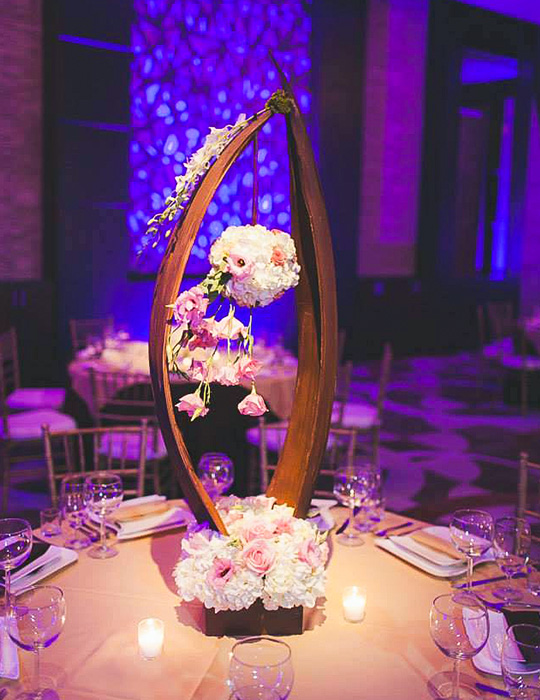
1. Timing Isn’t Just a Schedule, It Controls the Entire Experience
In most weddings, timing is treated like a checklist.
In summer, it becomes strategy.
When you plan a summer wedding in Las Vegas, the difference between a smooth event and an exhausting one often comes down to when things happen, not just how they happen.
The mistake many people make is planning the day as if temperature doesn’t exist. Midday timelines, early arrivals, long pre-event waiting periods, all of these feel manageable on paper, but in summer, they quietly drain energy before the event even begins.
The goal isn’t to avoid the heat completely.
It’s to work around it intelligently.
Late afternoon into evening creates a completely different atmosphere. Guests arrive more relaxed. The transition into the event feels natural. By the time the celebration builds, the environment already feels more comfortable.
But timing isn’t just about the start.
It’s about pacing throughout the event.
If everything is packed too tightly, guests feel rushed. If there are long gaps, energy drops. In summer, those gaps feel even longer. People become more aware of discomfort, and attention starts to drift.
The best timelines feel almost unnoticeable.
Guests aren’t checking the time. They’re just moving from one moment to the next without friction.
Another overlooked detail is arrival flow.
If all guests arrive at once with no structure, the entrance becomes congested. In warmer conditions, even a short wait can feel frustrating. A staggered or well-managed arrival keeps things smooth from the very beginning.
When timing is handled correctly, everything else becomes easier.
Guests stay engaged longer. Energy builds naturally. And the entire summer wedding in Las Vegas experience feels controlled without ever feeling forced.
2. Temperature Control Is Not Comfort, It’s Energy Management
Most people think managing heat is just about keeping guests “cool enough.”
That’s too basic.
In a summer wedding in Las Vegas, temperature directly affects how people behave, how long they stay engaged, and how the event actually feels over time.
If the environment is even slightly uncomfortable, it shows quickly.
Guests sit more. Conversations shorten. Movement slows down. The energy that should build naturally starts to flatten without any obvious reason.
That’s why temperature should be planned as part of the experience, not treated as a background detail.
The goal isn’t extreme cooling.
It’s balance.
The space should feel consistent from the moment guests arrive to the final part of the night. Sudden shifts, like stepping from a warm entrance into an overly cold room, break that comfort instantly.
Airflow matters just as much as temperature.
A room can technically be cool but still feel heavy if the air isn’t circulating properly. When airflow is smooth, the entire space feels lighter and more comfortable without needing drastic temperature changes.
Another detail people overlook is density.
A room with 300 guests naturally holds more heat. If the layout doesn’t allow proper spacing, that warmth builds quickly. This is where open layouts and controlled distribution of guests make a noticeable difference.
Even small things play a role.
Lighting intensity, crowd movement, and timing of activities all influence how warm or comfortable the space feels over time.
When temperature is managed properly, guests don’t think about it at all.
They stay active, engaged, and comfortable throughout the event.
And that’s what you actually want.
Because in a well-planned summer wedding in Las Vegas, comfort isn’t something people notice.
It’s something they feel without realizing why.
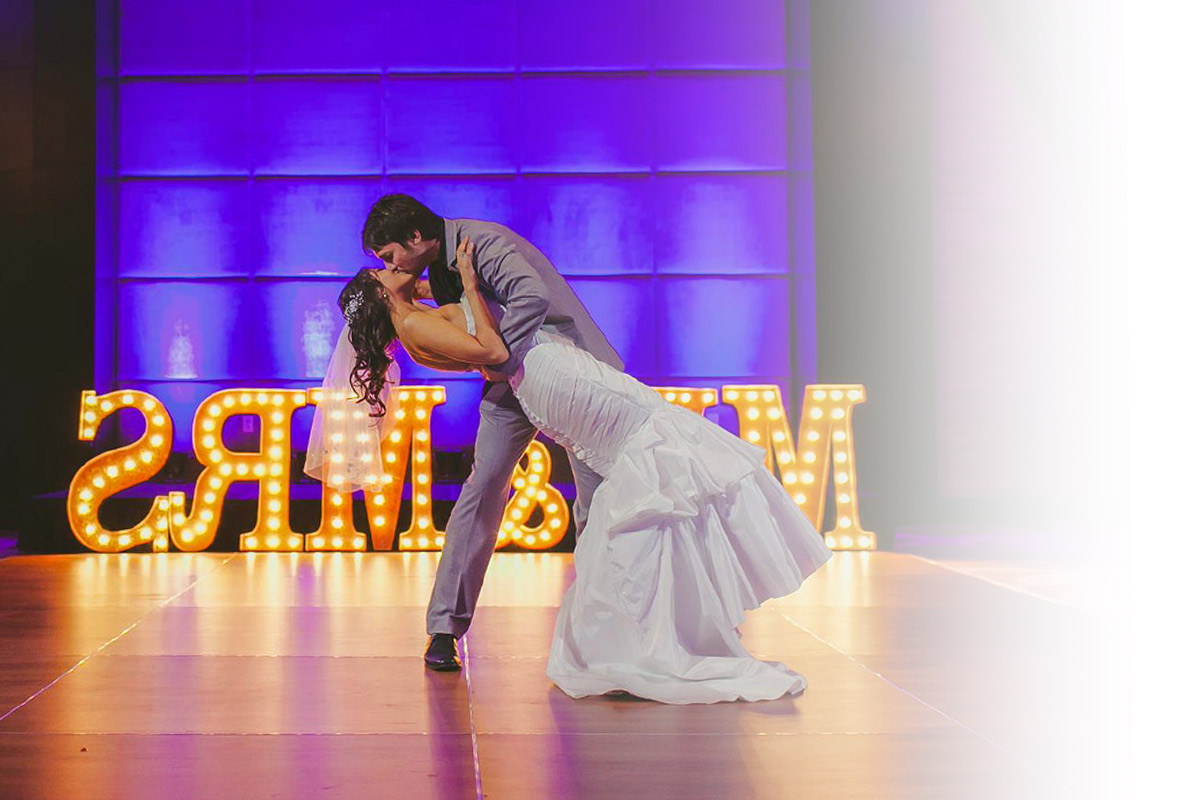
3. Space Planning Matters More in Summer Than Any Other Season
In a summer setting, space is not just about fitting guests.
It’s about how the environment breathes.
When you plan a summer wedding in Las Vegas, overcrowding becomes much more noticeable than usual. A layout that might feel fine in cooler months can quickly feel tight and uncomfortable when temperatures are higher.
Guests need room to move.
Not just from one place to another, but within the space itself. Walking paths should feel open. Seating areas should not feel compressed. Social zones should allow people to gather without creating congestion.
This isn’t about making the venue look bigger.
It’s about making it feel lighter.
Clear spacing between tables allows better airflow. Defined areas for dining, dancing, and interaction prevent everything from blending into one crowded environment.
Another important factor is distribution.
If too many guests naturally gather in one area, that space heats up faster and feels more intense. A well-balanced layout spreads people across the room, keeping the atmosphere comfortable and steady.
Even visual openness matters.
When guests can see across the room without obstruction, the space feels more relaxed and less confined.
In a summer wedding in Las Vegas, smart space planning quietly supports comfort, movement, and energy.
And when the space feels right, everything else becomes easier to enjoy.
4. Food & Drinks Should Refresh, Not Weigh Guests Down
In summer, what you serve changes how the event feels.
Heavy meals that might work perfectly in cooler months can feel overwhelming in a summer wedding Las Vegas. Guests don’t just eat differently in the heat. They experience food differently.
The goal is not to serve less.
It’s to serve smarter.
Lighter options tend to keep energy steady. Fresh ingredients, balanced portions, and well-paced service prevent that sluggish feeling that often follows a heavy meal. When guests feel comfortable after eating, they stay engaged instead of slowing down.
Drinks matter just as much.
Hydration should feel natural, not forced. Guests should always have easy access to beverages without needing to search or wait. When drinks flow smoothly, the entire event feels more relaxed.
Timing plays a role here too.
Serving food too early or too late can affect how guests respond. In summer, aligning meals with the natural rhythm of the event helps maintain comfort and energy.
Presentation also has an impact.
Clean, well-organized setups feel lighter and more inviting compared to overcrowded or overly complex arrangements.
They influence how long guests stay active, social, and fully present throughout the celebration.
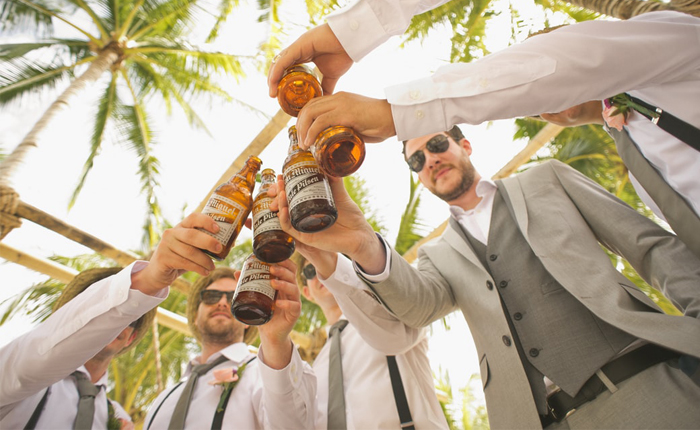
5. Energy Management, How to Keep the Event Alive Without Draining Guests
In summer, energy doesn’t build the same way.
It rises quickly, but it can also drop just as fast if the event isn’t paced correctly. That’s why when you plan a summer wedding in Las Vegas, managing energy becomes just as important as managing time.
The mistake most people make is trying to keep everything “high energy” all the time.
That doesn’t work.
Guests need moments to reset.
Short pauses between key parts of the event allow people to recover without losing interest. These breaks don’t have to feel like stops. They should feel like natural transitions where guests can talk, move, and settle before the next moment begins.
Music also plays a role.
Starting too intense too early can exhaust the room. Gradually building the atmosphere keeps people engaged for longer instead of burning out halfway through the night.
Another factor is how activities are placed.
If too many things happen back-to-back, guests feel overwhelmed. If too little happens, the event loses momentum. The balance is what keeps everything alive.
Movement helps here too.
When guests can shift between sitting, standing, and dancing naturally, the event feels dynamic without being tiring.
In a summer wedding in Las Vegas, the goal is not constant excitement.
It’s sustained energy.
Because when energy is managed well, the celebration feels lively from beginning to end without ever feeling exhausting.