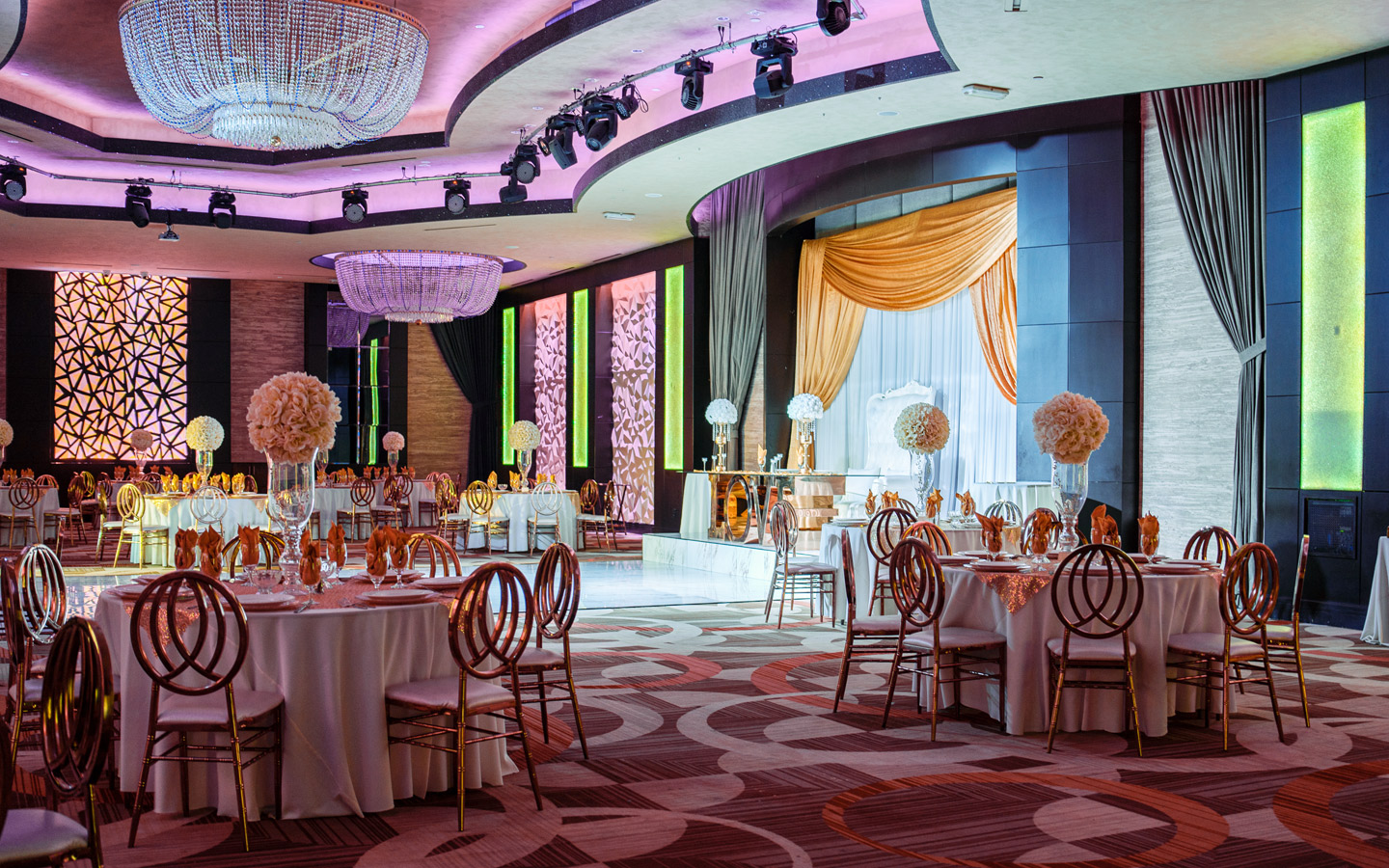
Wedding planning doesn’t become stressful because there are too many tasks. It becomes stressful because couples are asked to make dozens of decisions without a clear way to evaluate them. When every choice feels important, and every opinion feels urgent, even small decisions can turn into long, draining discussions.
A wedding planning priority list is a decision-making framework couples create together to guide those choices. It’s not a to-do list, and it’s not a timeline. Instead, it defines what outcomes matter most to you as a couple, so every decision can be weighed against them. Think of it as a filter you use before saying yes, no, or maybe to any option.
Rather than listing vendors or décor ideas, a wedding planning priority list outlines what you want to protect throughout the planning process, such as guest experience, atmosphere, budget comfort, timing, or meaningful traditions. When these priorities are clearly defined, decisions shift from emotional reactions to intentional choices made together.

Why Couples Struggle With Wedding Decisions
Most couples don’t struggle with wedding decisions because they want different weddings. They struggle because they’re making decisions without a shared way to judge them. One partner may place high importance on guest comfort and flow, while the other focuses on atmosphere, timing, or visual impact. When these priorities aren’t clearly defined, differences don’t feel practical, they feel personal.
The challenge grows as planning progresses. Wedding decisions don’t arrive one at a time; they stack. Each choice connects to another, and without clarity, couples are forced to re-evaluate everything repeatedly. This is often when frustration appears; not because the decision itself is difficult, but because there’s no agreed-upon standard guiding it.
Without a clear framework, couples commonly find themselves:
- Spending excessive time debating minor choices
- Feeling pulled in different directions by family or outside opinions
- Revisiting decisions after they’re made and questioning them
Over time, this pattern can drain energy and confidence. What should feel collaborative starts to feel tense or exhausting.
A wedding planning priority list prevents this by creating alignment before pressure builds. It gives couples shared language to explain why a decision matters and shared direction for how choices should be evaluated. Instead of negotiating every option from scratch, couples return to their priorities, making decision-making feel cooperative, focused, and far less emotional.
What a Wedding Planning Priority List Is (and What It Isn’t)
A wedding planning priority list is not a task list. It’s not a timeline, and it’s not a budget spreadsheet. It’s a short, intentional set of priorities that defines what outcomes matter most to you as a couple.
A strong priority list answers questions like:
- What should this wedding feel like for us?
- What do we want guests to experience?
- Where are we willing to be flexible?
- What do we want to protect, even if tradeoffs are required?
By defining these answers early, couples stop reacting emotionally to each decision and start evaluating choices logically.
Start With Values Before Logistics
Before writing anything down or comparing options, couples need to talk about values. This isn’t about décor, vendors, or trends. It’s about defining what success actually looks like for you as a couple. When values are clear, decisions feel grounded. When they’re not, planning quickly becomes reactive.
Values show up in subtle but powerful ways. Some couples feel calm when there’s structure, clear timelines, and a defined plan. Others feel energized by flexibility, creativity, and moments that feel spontaneous. Some couples place high importance on hosting and guest comfort, while others focus on the emotional experience of the day itself. Timing can also be a value: work schedules, family availability, or life milestones often influence how flexible or fixed plans need to be.
These differences don’t create problems on their own. Problems arise when they’re not acknowledged early. Without these conversations, couples may talk past each other, debating logistics while actually disagreeing on what matters underneath. That’s when decisions feel heavier than they should.
A meaningful wedding planning priority list grows directly out of these value-based conversations. When you understand what you’re protecting, whether that’s ease, atmosphere, connection, or balance, your priorities become specific instead of generic. Decisions stop being about preferences in the moment and start reflecting a shared definition of what you’re building together.
The Core Areas Most Priority Lists Include
While every couple is different, most wedding planning priorities fall into a few consistent areas. These aren’t boxes you’re required to check. They’re decision drivers. The goal isn’t to rank everything equally, but to identify which areas should guide your choices when tradeoffs come up.
Most couples find their priorities live within these core areas:
- Guest experience and comfort
This priority focuses on how guests move through the event and how they feel while they’re there. Couples who value this tend to make decisions that support ease, flow, seating comfort, timing, and overall experience from arrival to the end of the night. - Venue atmosphere and flow
For some couples, the look and feel of the space sets the tone for everything else. This priority influences indoor versus outdoor decisions, room layout, lighting, transitions between moments, and how cohesive the event feels as a whole. - Budget comfort and spending balance
This isn’t about spending less; it’s about spending with intention. Couples who define this priority early are clearer about where money matters most and where flexibility exists, which makes financial decisions easier later. - Timing, season, or scheduling limits
Work schedules, family availability, and life milestones often shape how flexible planning can be. When timing is a priority, decisions are made around realistic dates and seasons rather than idealized ones. - Cultural or family elements that truly matter
These priorities reflect traditions or expectations that feel meaningful to the couple, not obligations driven by pressure. Defining this early helps couples honor what’s important without overcommitting.
Your list doesn’t need to include every category, and it shouldn’t treat them all the same. In fact, shorter priority lists work better. When everything is labeled a top priority, decision-making becomes unclear. Clear priorities create focus by showing what should lead and what can adapt as planning moves forward.

Turning Priorities Into a Wedding Priority Checklist
Once values are clear, couples can translate them into a wedding priority checklist. This checklist isn’t about tasks; it’s about guardrails.
Many couples organize their checklist into three levels:
Non-Negotiable Priorities
These are the priorities that define the success of your wedding. If a decision compromises one of these, it’s a no. Non-negotiable priorities reflect what you’re unwilling to give up, even when tradeoffs are required.
This category usually includes elements tied to core values, comfort, or logistics that must work for the day to feel right. For some couples, that might mean guest comfort, a specific season, or staying within a firm budget range. For others, it could involve meaningful traditions or accessibility needs.
Non-negotiables should be few. When too many items fall into this category, decision-making becomes rigid instead of clear.
Important but Flexible Preferences
This category includes elements that matter, but don’t need to be perfect to feel satisfied. These preferences influence decisions, but they can adjust based on availability, cost, or practicality.
Couples often place things like décor style, menu options, or specific layout preferences here. These choices still guide planning, but they’re open to compromise if another priority, such as budget or timing, needs to take the lead.
This category is where most healthy tradeoffs happen. It allows couples to adapt without feeling like they’re sacrificing what truly matters.
Nice-to-Have Elements
Nice-to-have elements add personality and enjoyment, but they aren’t essential to the overall experience. If they fit easily into the plan, great. If not, the wedding still feels complete without them.
These might include specific upgrades, design extras, or ideas inspired by trends. Keeping them in this category helps couples avoid overloading the plan or feeling disappointed if something doesn’t work out.
By separating nice-to-haves from priorities, couples protect their energy and focus on what will make the day meaningful.
This structure makes tradeoffs easier. When decisions arise, couples can quickly see where flexibility exists and where it doesn’t.
Why Shared Decision Making Changes Everything
Wedding planning works best when decisions are shared, not delegated. When one partner carries the responsibility, imbalance and frustration often follow.
Shared decision making doesn’t mean agreeing on everything instantly. It means using priorities as a neutral reference point. Instead of debating opinions, couples evaluate choices against their agreed priorities.
This approach removes personal defensiveness and replaces it with teamwork. It’s one of the most effective ways to reduce conflict during planning.
How a Wedding Priorities Worksheet Helps Couples Stay Aligned
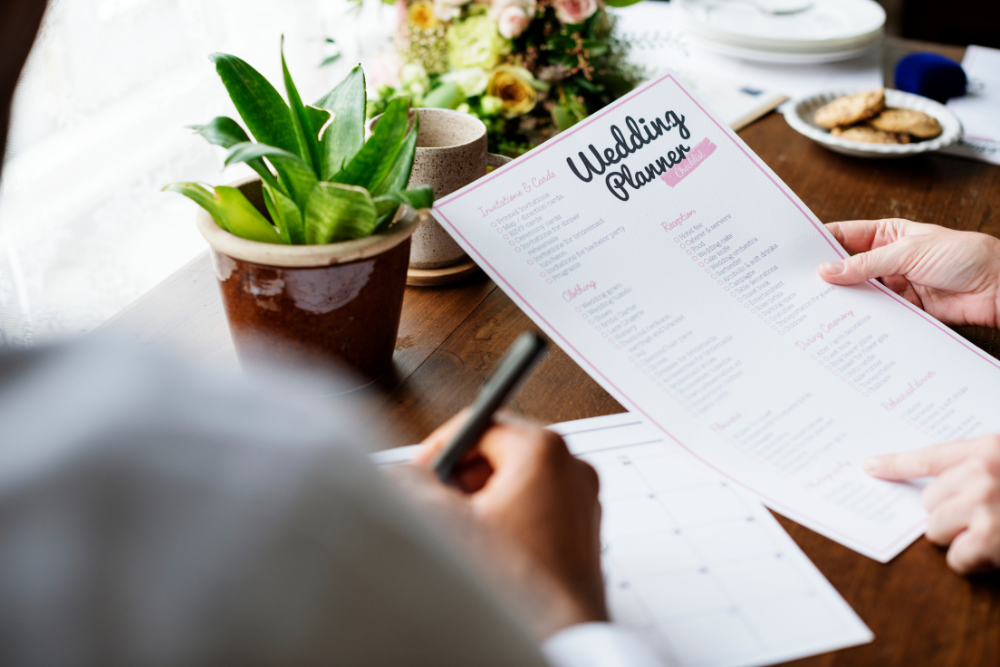
A wedding priorities worksheet makes everything visible and usable. Writing things down forces clarity. It helps couples notice differences early, before they turn into frustration or tension, and creates a shared reference point for every decision that follows.
Worksheets also help couples revisit priorities as plans evolve by tracking the changes that affect decisions. A well-built worksheet should include space to document:
- Guest count changes, with notes on how increases or reductions affect comfort, flow, and venue options
- Budget adjustments, including where flexibility increases or decreases as real costs become clearer
- Availability or timing shifts, such as date changes, seasonal limits, or scheduling constraints
- Priority re-ranking, allowing couples to confirm which items remain non-negotiable and which can adjust
- Decision notes, capturing why a choice was made so it doesn’t need to be re-litigated later
By capturing these changes in one place, the worksheet keeps planning intentional rather than reactive. Instead of feeling like plans are constantly shifting, couples can see how decisions evolve while staying aligned with their original priorities.
Using Priorities to Guide Real Wedding Decisions
Once priorities are clear, decision-making becomes simpler. Couples stop asking, “Is this the right choice?” and start asking, “Does this support our priorities?”
A clear wedding planning priority list helps couples:
- Choose venues that align with their values
- Allocate budget with intention
- Adjust plans without regret
Decisions feel faster and more confident because they’re grounded in purpose.
Why Venue Choice Often Reflects Your Priorities
The venue is one of the most revealing decisions couples make. It reflects how you value guest comfort, structure, atmosphere, and planning style.
Indoor, all-inclusive venues often align well with priorities around organization and consistency. Having major elements coordinated in one place supports couples who want clarity and fewer moving parts.
This is why many couples find that their wedding planning priority list becomes clearer once they begin evaluating venues.
Common Mistakes Couples Make With Priorities
Many planning issues come from a few avoidable mistakes. Keeping these in mind can save time and reduce unnecessary tension.
- Treating family expectations as priorities
Family input can be important, but it shouldn’t replace what you value as a couple. Priorities should reflect your shared goals, not outside pressure. - Making everything equally important
When all choices are labeled top priority, it becomes hard to decide anything. Priorities work only when some items clearly lead and others can adjust. - Not deciding together
Priorities only work when both partners are involved. When one person sets them alone, decisions can feel unbalanced. - Failing to revisit priorities
Plans change. Guest counts, budgets, and timing evolve. If priorities aren’t revisited, decisions start to feel disconnected.
Avoiding these mistakes keeps priorities useful and decision-making clear throughout planning.
Plan With Purpose at Fabrizio Banquet Hall
Couples who plan with priorities feel more confident because they’re not constantly second-guessing themselves. They trust their decisions because those decisions reflect what matters most to them.
A clear wedding planning priority list supports alignment, reduces stress, and keeps planning focused on the experience you want to create, not the noise around it.
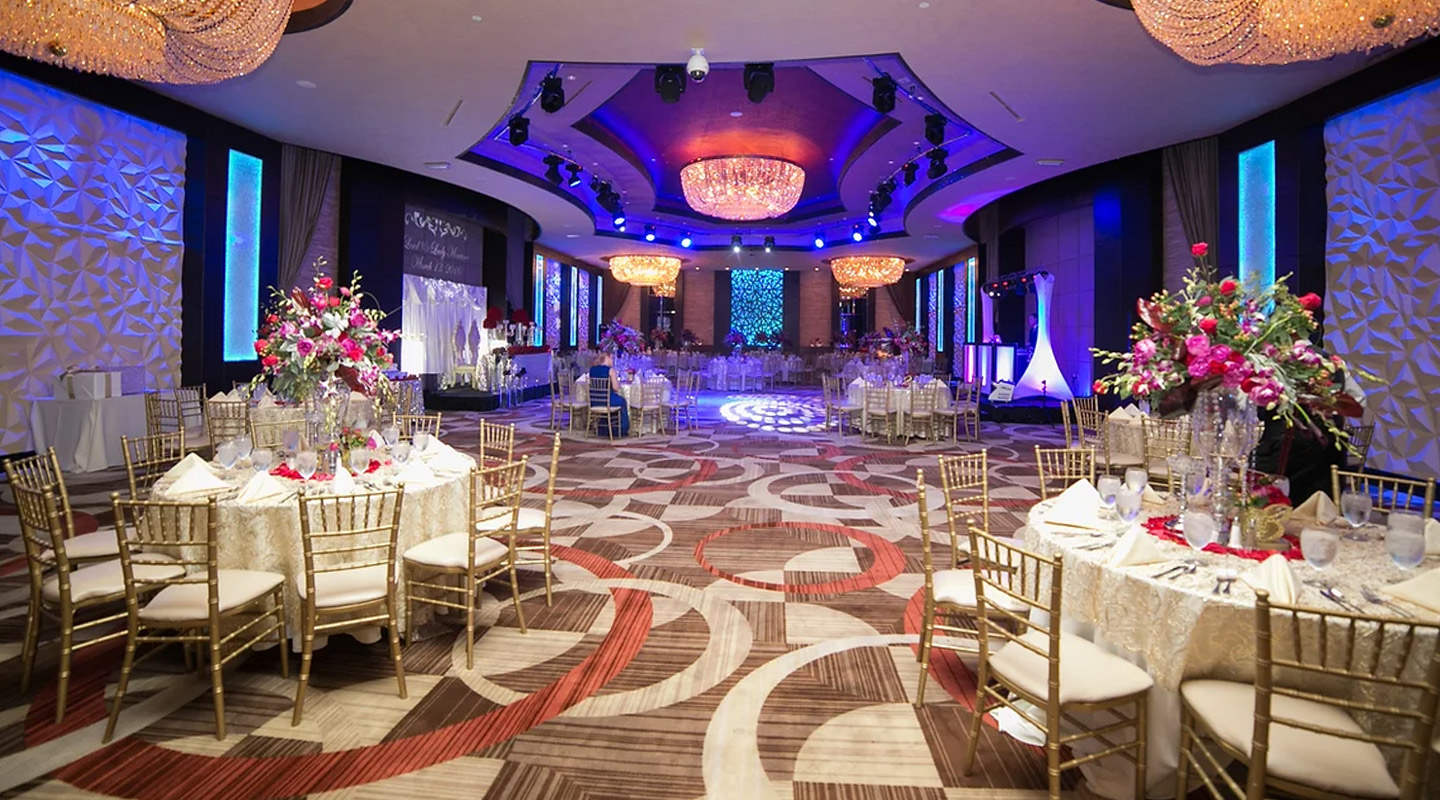
For couples who value clarity and alignment, Fabrizio Banquet Hall offers an indoor, all-inclusive setting that supports priority-driven planning. Touring a venue is often where priorities become tangible and decisions feel easier.
If you’re ready to see how your priorities translate into a celebration that feels intentional and organized, scheduling a tour is a natural next step.
Frequently Asked Questions
What should be included in a wedding planning priority list?
A wedding planning priority list should include values that guide decisions, such as guest experience, atmosphere, budget comfort, timing, and any meaningful traditions.
How does a wedding priority checklist help couples?
A wedding priority checklist helps couples make tradeoffs calmly by clarifying what is non-negotiable and where flexibility exists
Can couples have different priorities and still plan successfully?
Yes. Different priorities are common and healthy. Planning works best when couples acknowledge those differences and decide together which priorities will lead to decisions.
How do wedding priorities help when working with vendors?
Clear priorities help couples communicate expectations more effectively. When vendors understand what matters most, recommendations and decisions become more aligned and efficient.
What happens if priorities conflict with availability or pricing?
When conflicts arise, priorities help couples adjust intentionally. Instead of reacting emotionally, couples can decide what to protect and where flexibility makes sense.